


Gratitude Journaling: How to Start a Daily Practice That Feels Real
Gratitude journaling is the practice of writing down things, people, moments or experiences you appreciate. It can be as simple as one sentence before bed, three brief notes after a difficult day or a weekly reflection on what helped you feel supported. It does not require a perfect routine, a flawless life or forced optimism.
The most useful gratitude journal is specific. Instead of writing "I am grateful for my family," write what someone did, why it mattered and how it made you feel. This turns a generic list into a personal record of care, comfort, growth and everyday life.
TL;DR
- Gratitude journaling is writing about things you appreciate, value or do not want to take for granted.
- The best entries are specific, not generic.
- You do not need to journal every day; three short entries a week is a realistic place to begin.
- Gratitude does not require ignoring difficult emotions.
- Use the Notice → Name → Deepen → Carry Forward method for more meaningful entries.
- One sentence, one list or one prompt is enough.
- A gratitude journal can become a personal keepsake, not just a wellbeing exercise.
What Is Gratitude Journaling?
Gratitude journaling is a writing practice in which you record things you appreciate, value or feel thankful for. Those entries may relate to people, places, moments, comforts, opportunities, memories, achievements or small ordinary details.
A gratitude journal differs from a general journal because it deliberately directs attention toward appreciation. Day One describes it as a journal where you write down things you are thankful for or appreciate, including positive details that might otherwise be taken for granted.
Gratitude journaling is not a requirement to feel positive all the time. It is a practice of noticing what is meaningful, supportive or good alongside everything else that may be true.
Is Gratitude Journaling the Same as Positive Thinking?
No. Positive thinking can sometimes become pressure to look on the bright side. Gratitude journaling is more useful when it stays honest.
You can write:
- "Today was exhausting, but I appreciated the quiet walk home."
- "I am worried about tomorrow, and I am grateful that I can call my sister."
- "The week was difficult, but I noticed how kind my colleague was."
- "I did not enjoy this day, but I am thankful I made time to rest."
A gratitude practice should add perspective, not erase reality.
The Two-Truth Rule
Use this when life feels difficult: two things can be true at once — this was hard, and something still helped.
This keeps thankfulness grounded. You are not trying to convince yourself that everything is fine. You are recording what carried you through.
What Does Research Say About Gratitude Journaling?
Research suggests gratitude interventions can support wellbeing for some people, but effects are usually modest and vary by individual, context and intervention design.
A 2025 meta-analysis spanning 145 studies in 28 countries found that gratitude interventions produced small increases in wellbeing on average. Another systematic review and meta-analysis of 64 randomised clinical trials found gratitude interventions were associated with greater gratitude and improved mental-health outcomes in patient populations.
The right conclusion is not that a gratitude journal is treatment or that it will work identically for everyone. It is a reflective tool that may help people notice supportive experiences, moments of connection and sources of meaning.
For persistent distress, trauma or mental-health concerns, journaling can complement professional support but should not replace it. If you're personally struggling, it's worth speaking with a doctor or therapist.
How to Start a Gratitude Journal
Start with a practice small enough to use on an ordinary day. You do not need a full page. You do not need five profound answers. You do not need to force a daily streak.
A Simple Beginner Routine
| Time available | What to write |
|---|---|
| 1 minute | One thing that helped today |
| 3 minutes | Three specific things you appreciated |
| 5 minutes | One meaningful moment and why it mattered |
| 10 minutes | A gratitude prompt plus one reflection |
| Weekly | A review of people, moments and lessons you appreciated |
Start With Three Short Entries
A simple first page can look like this:
- I appreciated the cool air during my walk because it gave me a pause between work and home.
- I am thankful my friend checked in without being asked.
- I enjoyed the first cup of tea this morning because it made the day feel less rushed.
Day One recommends beginning with three to five things and making them specific rather than broad.
The NOTERA Method: Notice → Name → Deepen → Carry Forward
This method turns a simple gratitude list into a more personal practice.
1. Notice
Choose one thing that helped, comforted, surprised or sustained you.
Examples:
- A warm meal
- A conversation
- A kind gesture
- A quiet room
- A solved problem
- A favourite song
- A useful lesson
- A small moment outdoors
2. Name
Write what happened. Example: "My colleague stayed late to help me finish the presentation."
3. Deepen
Write why it mattered. Example: "It made me feel supported when I was beginning to panic."
4. Carry Forward
Choose one small response. Example: "Tomorrow, I will thank her properly and offer help on her next project."
This last step is optional, but it helps gratitude become an action rather than only a note.
How Often Should You Gratitude Journal?
There is no universal rule. Some people enjoy a daily gratitude journal. Others find that writing three times a week, once a week or after meaningful moments feels more natural. Research has not established one perfect frequency for every person. The most useful rhythm is the one you can sustain without making the practice feel forced.
A Realistic Starting Plan
| Your lifestyle | Suggested rhythm |
|---|---|
| Busy schedule | One sentence, three days each week |
| New to journaling | Three entries on Sunday evening |
| Enjoys routines | Three notes before bed |
| Travels often | Capture moments in a pocket diary, review weekly |
| Uses a planner | Add one gratitude line to each daily page |
| Wants deeper reflection | One longer entry every weekend |
What Should You Write in a Gratitude Journal?
Write about details, not only categories.
| Generic entry | More meaningful entry |
|---|---|
| I am grateful for my family | I appreciated my mother calling after my presentation because she remembered how nervous I felt. |
| I am grateful for food | I appreciated the soup I made tonight because it reminded me of winter evenings at home. |
| I am grateful for my job | I appreciated having time to solve a problem without being rushed. |
| I am grateful for my friends | I appreciated the voice note from my friend because it made a difficult afternoon feel less lonely. |
| I am grateful for nature | I appreciated the smell of rain after a hot day because it made the city feel quieter. |
40 Gratitude Journal Prompts
Daily Gratitude Journal Prompts
- What was one small thing that made today easier?
- Who made me feel supported recently?
- What comfort did I enjoy today?
- What made me smile without expecting it?
- What did I notice through one of my senses today?
- What did I do well today?
- What ordinary part of my routine am I grateful for?
- What made me feel more like myself?
- What am I glad I made time for?
- What would I like to remember from today?
Thankful Journaling Prompts About People
- Who has shown me kindness recently?
- What is something someone taught me that I still use?
- Who makes me feel understood?
- What relationship has helped me grow?
- What small gesture from someone do I still remember?
- Who deserves a thank-you message from me?
- What quality do I appreciate in a close friend?
- What family tradition am I grateful to have experienced?
- Who made a difficult day easier?
- What act of generosity have I received or witnessed?
Gratitude Prompts for Difficult Days
- What is one thing that feels steady right now?
- What helped me get through today?
- What is one thing I can control this week?
- What is one comfort I can offer myself tonight?
- What challenge has taught me something useful?
- What support is available to me, even if I have not used it yet?
- What do I not need to solve today?
- What is one moment of relief I experienced recently?
- What small part of life still feels dependable?
- What would I say to someone else having a day like mine?
Gratitude Prompts for Growth and Future Thinking
- What do I have now that I once hoped for?
- What am I proud of learning this year?
- What opportunity am I grateful to have?
- What part of my life would I like to protect more carefully?
- What good habit has quietly helped me?
- What has changed for the better since last year?
- What would I like to thank my past self for?
- What do I want to make more space for next month?
- What place or ritual helps me reset?
- What is one act of appreciation I can carry into tomorrow?
Daily Gratitude Journal Templates
The Three-Line Template
Use this when time is limited.
- Today I appreciated…
- It mattered because…
- Tomorrow I will…
The Morning Template
- Something I already appreciate about my life:
- One person I am thankful for:
- One thing I want to notice more today:
The Evening Template
- The best part of today:
- A small comfort I enjoyed:
- Something I want to remember:
The Weekly Review Template
- A person I appreciated this week:
- A challenge I handled:
- A place, object or routine that supported me:
- Something I learned:
- One thank-you, message or action I want to take next week:
Gratitude Journaling Ideas Beyond Lists
A gratitude journal does not need to contain only written lists. Try:
- A thank-you letter you may or may not send
- A page of small drawings
- A list of places that feel like home
- A collage of comforting images
- A "good things I noticed" page
- A record of kind things people said
- A memory you want to preserve
- A page of favourite meals, songs or objects
- A gratitude walk entry using the five senses
- A monthly page titled "Things that carried me"
Papier's guided gratitude-journal approach combines daily prompts, monthly check-ins and activities, while Day One recommends experimenting with prompts, templates, handwriting, digital entries and periodic review.
Gratitude Journaling for Beginners: What to Avoid
Do Not Force Positivity
You do not need to be thankful for hardship itself. You can be grateful for support, rest, perspective or a person who helped.
Do Not Repeat the Same Vague List
"I am grateful for my family, health and friends" is not wrong. But it becomes more useful when you explain what happened and why it mattered.
Do Not Treat It as Another Task to Complete Perfectly
Skipping a day is not failure. A gratitude journal is a practice, not a performance.
Do Not Use It to Avoid Real Feelings
A gratitude entry can sit beside frustration, grief, stress or uncertainty. The page can hold more than one truth.
Do Not Compare Your Gratitude to Someone Else's
A small moment — a clean bed, a familiar song, a cup of tea, an encouraging message — can be enough.
Gratitude Journal vs General Journal
| Gratitude journal | General journal |
|---|---|
| Focuses on appreciation and positive noticing | Holds a wider range of thoughts and experiences |
| Often uses short prompts or lists | Can be fully open-ended |
| Useful for daily or weekly rituals | Useful for longer reflection and memory keeping |
| Helps record supportive moments | Helps process events, ideas and emotions |
| Can be one section of a journal | Can include gratitude alongside everything else |
Choosing a NOTERA Journal for Gratitude Journaling
Choose the format based on how you want to practise.
| NOTERA collection | Best for |
|---|---|
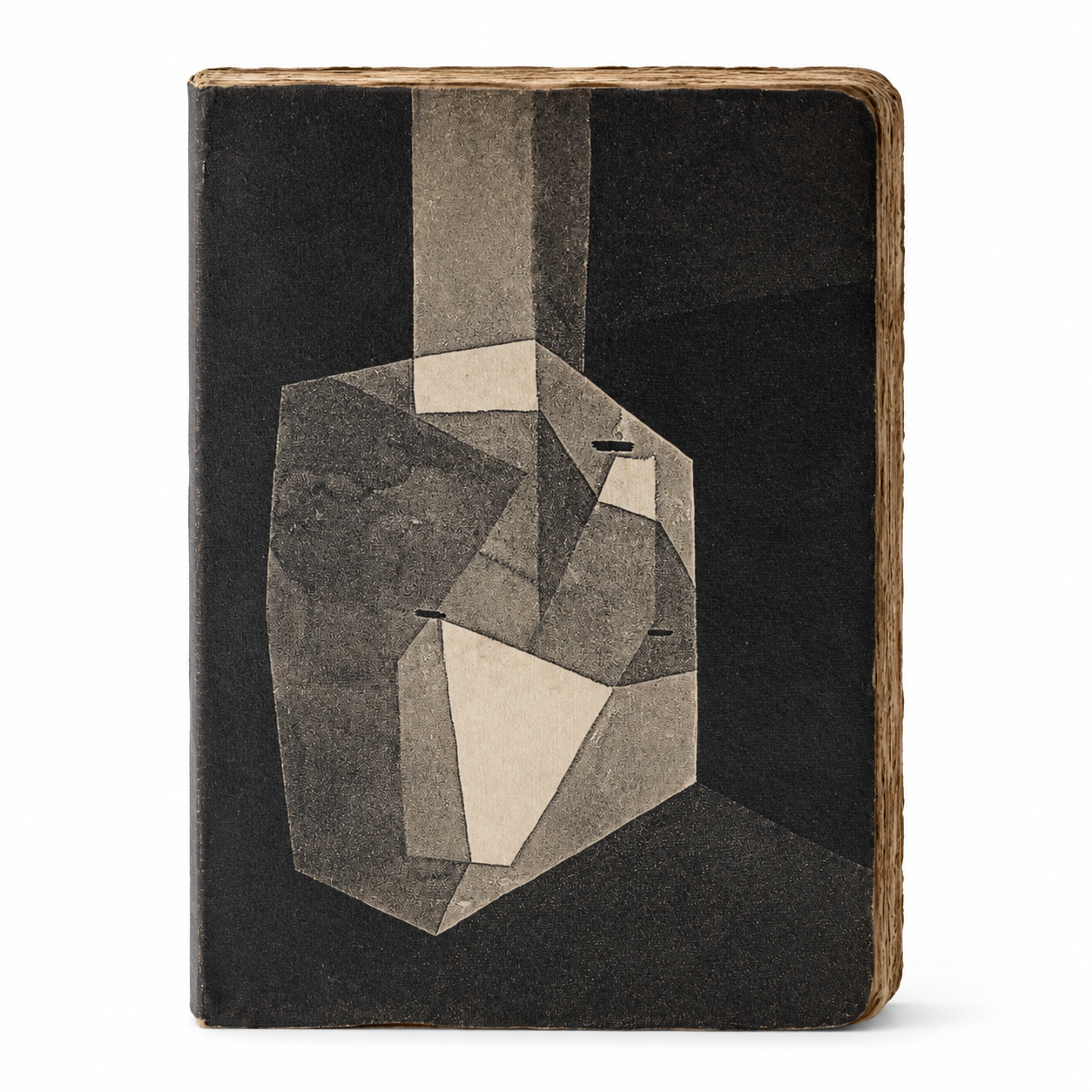
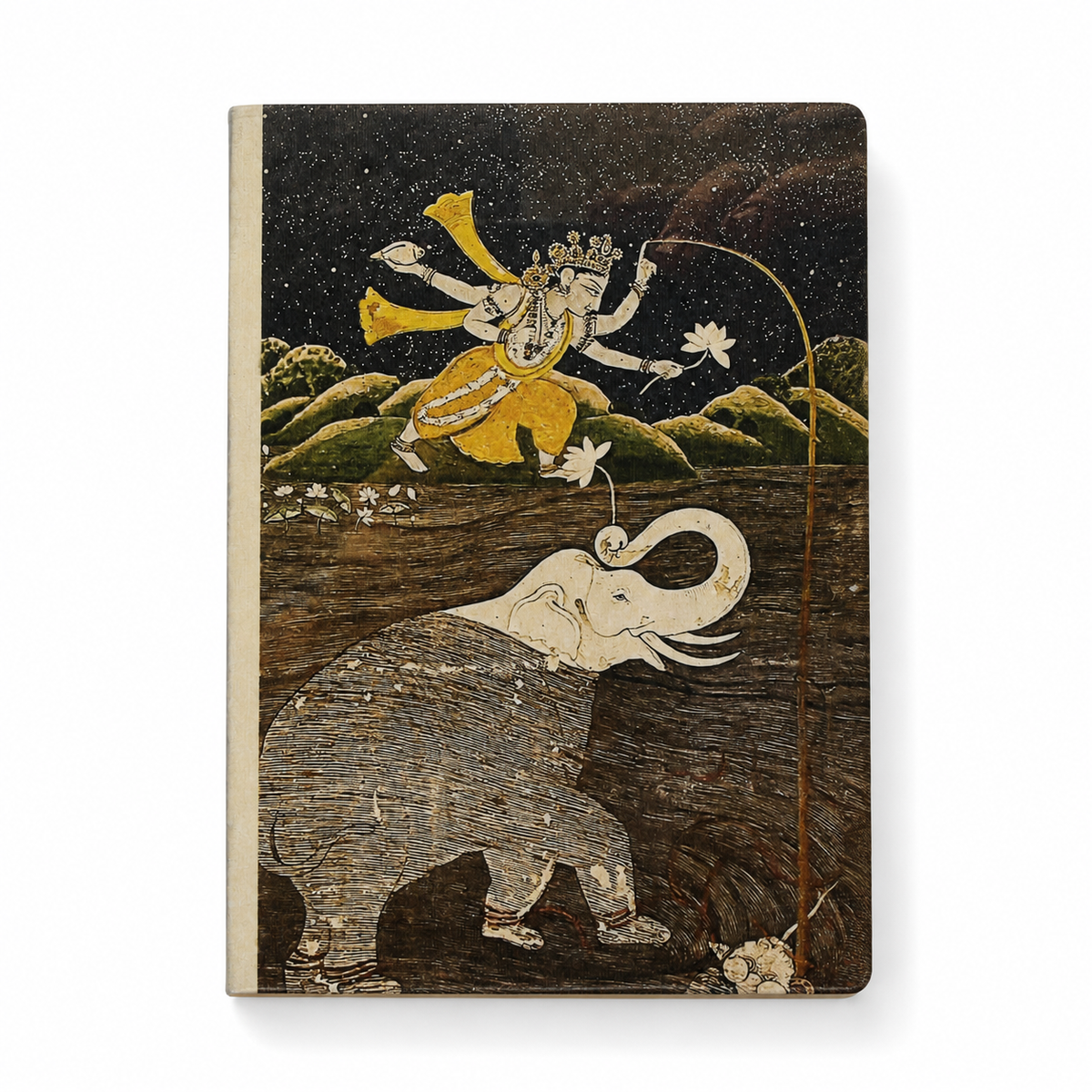
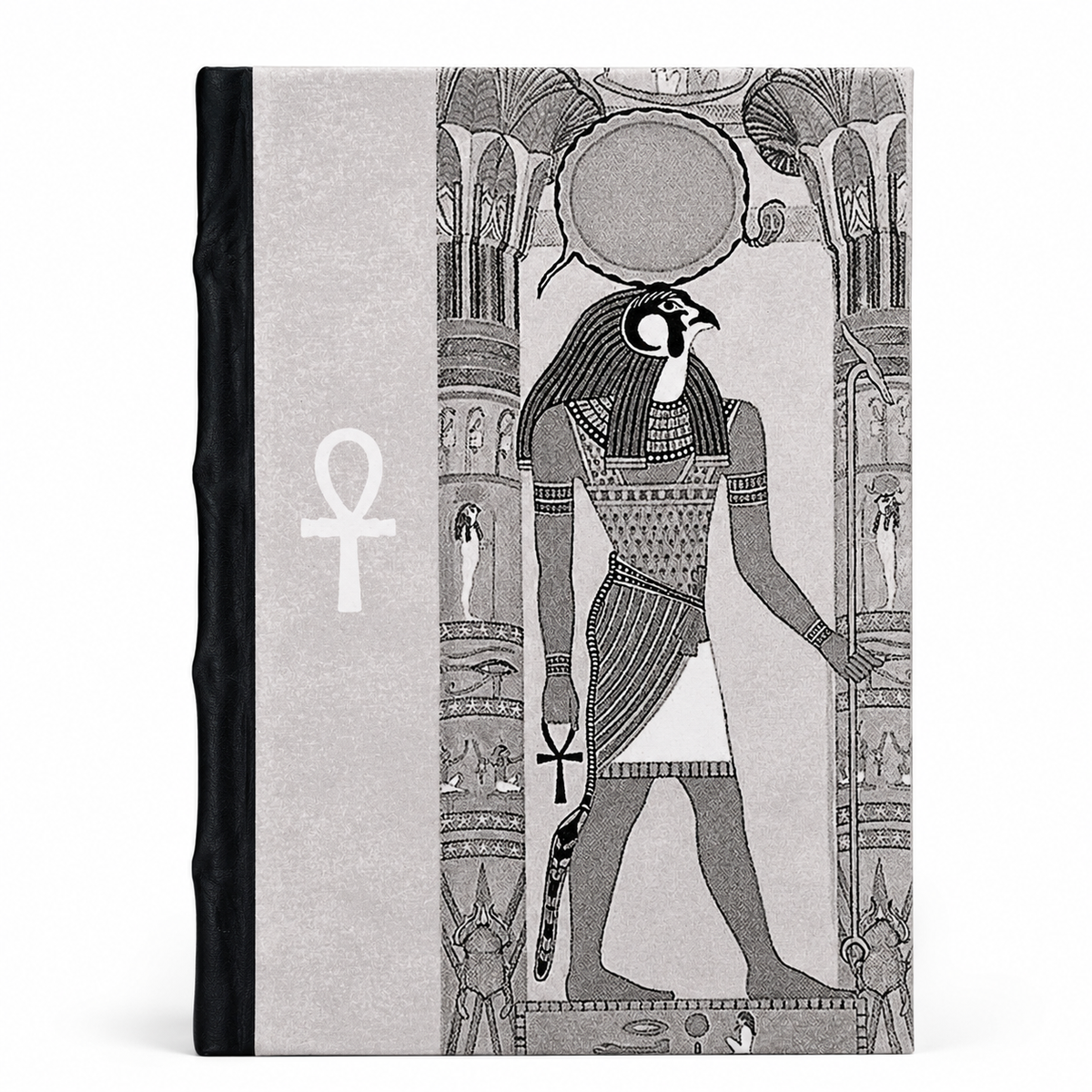
| Artwork Journals | Daily or weekly gratitude writing, memory keeping and reflective rituals |
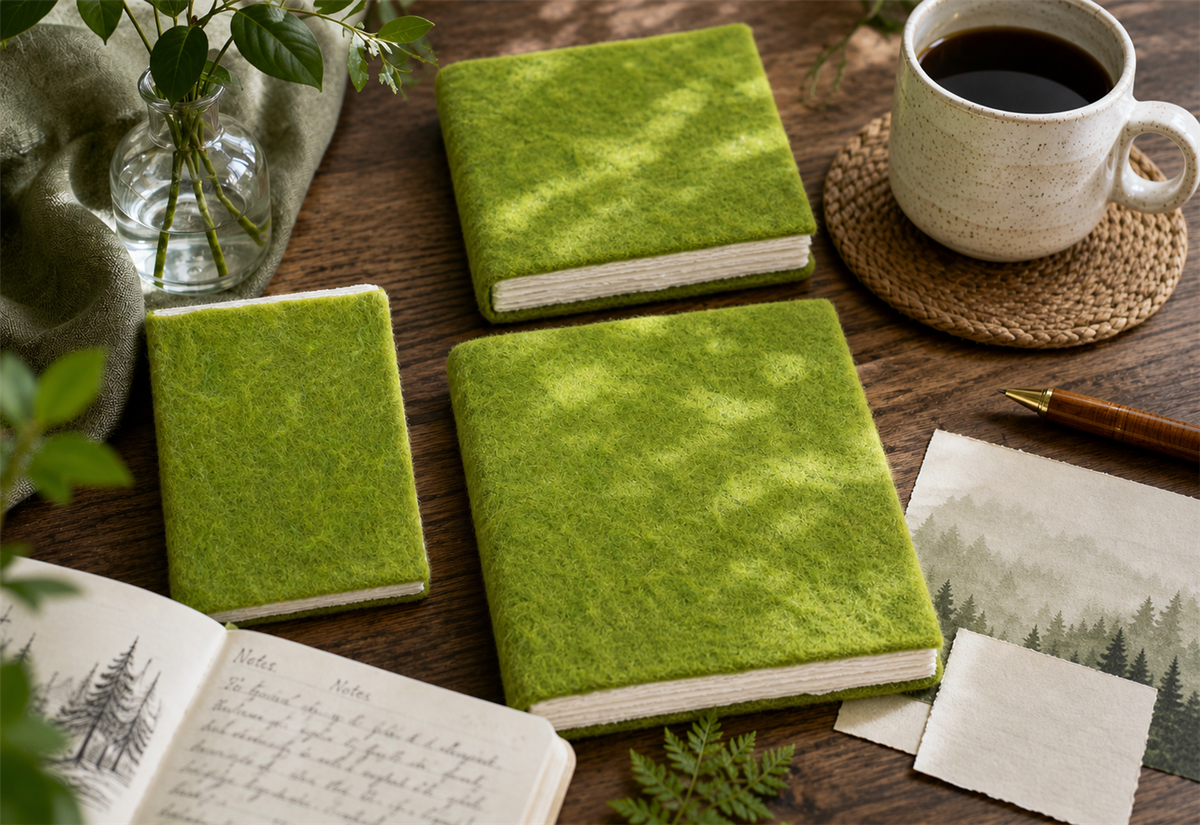
| Felt Journals | A tactile, elevated personal practice or meaningful gratitude-journal gift |
| Artwork Notebooks | Flexible gratitude lists, prompts and everyday reflections |
| Felt Notebooks | Desk-based routines and premium everyday writing |
| Artwork Pocket Diary Sets | Small daily appreciations, travel moments and gratitude on the move |
| Felt Pocket Diaries | Portable, tactile thankfulness practice |
| Artwork Planners | Adding one gratitude line beside daily goals and routines |
| Artwork Sketchbooks | Visual gratitude pages, collage and drawing |
| Felt Sketchbooks | Tactile creative reflection and giftable gratitude projects |
Case Snapshots
Day One: Specificity and Accessible Prompts
Day One recommends starting with three to five gratitude entries, being specific, using prompts and choosing a regular time that suits the writer's routine.
NOTERA opportunity: Add a simple printed or downloadable "Notice → Name → Deepen" prompt card to journal packaging or collection pages.
Papier: Structure for People Who Want Guidance
Papier's gratitude-journal concept includes daily prompts, monthly check-ins, activities and affirmations.
NOTERA opportunity: Position NOTERA journals as flexible objects for readers who want the freedom to create their own gratitude practice rather than follow a fixed template.
Research: Small but Meaningful Potential
The 2025 meta-analysis of 145 studies across 28 countries found small average improvements in wellbeing from gratitude interventions.
NOTERA opportunity: Use responsible language: gratitude journaling can support reflection and appreciation, but it should never be marketed as a cure, diagnosis or replacement for care.
Gratitude Journal Checklist
Before beginning, ask:
- Do I want a daily, weekly or occasional gratitude practice?
- Would one sentence, three notes or a longer reflection suit me?
- Do I prefer prompts or open pages?
- Do I want to write at morning, evening or during a weekly reset?
- Can I make my entries more specific?
- Do I want this to be private, shareable or giftable?
- Do I need a journal, notebook, planner or pocket diary?
- What will help me keep the practice visible and easy?
- How will I respond when I miss a day?
- What act of appreciation could follow my writing?