

Acid-Free Paper Explained: Is It Archival Quality for Journals?
Acid-free paper is paper made to avoid the acidic conditions that can cause paper to yellow, weaken and become brittle over time. It is a meaningful quality marker for journals, notebooks, letters, sketches and keepsake writing.
However, acid-free does not automatically mean archival-quality, permanent, museum-grade or suitable for every creative medium. A pH-neutral journal paper may be acid-free, while alkaline-buffered paper may also be acid-free but designed with an alkaline reserve to help neutralise acids over time.
For people choosing a journal, the practical takeaway is simple: acid-free paper is a strong starting point for writing you want to keep. For claims about long-term permanence, look for supporting specifications, recognised testing or a stated standard such as ISO 9706.
TL;DR
- Acid-free paper is designed to avoid acidic deterioration that can lead to yellowing and brittleness.
- pH-neutral paper describes paper at approximately neutral pH; acid-free materials may be neutral or alkaline-buffered.
- “Archival quality” is a broader and less consistent commercial term. Ask what standard or test supports it.
- ISO 9706 is an international standard for permanent unprinted paper and considers pH, alkaline reserve, tear resistance and oxidisable material.
- Acid-free paper is a meaningful choice for journals, notebooks, letters, memory keeping and thoughtful gifts.
- Acid-free paper does not automatically guarantee fountain-pen performance, waterproofness, fade-resistant ink or lifetime preservation of every inserted item.
What Is Acid-Free Paper?
Acid-free paper is paper made without active acid that would accelerate paper deterioration. It is generally neutral or alkaline rather than acidic.
The Canadian Conservation Institute explains that the term “acid-free” may apply to both neutral-pH and alkaline-buffered paper products.
This matters because acidic paper can deteriorate over time. The U.S. National Archives notes that acidity weakens paper fibres and is a major cause of brittleness in paper such as historic newspaper.
For a journal owner, acid-free paper means your handwritten pages are less likely to yellow, crumble or become fragile simply because of the paper itself.
Acid-Free, pH-Neutral and Archival Quality: What Is the Difference?
| Term | What it usually means | What it does not guarantee |
|---|---|---|
| Acid-free paper | Paper is neutral or alkaline rather than actively acidic | ISO-tested permanence, fountain-pen performance or fade-proof ink |
| pH-neutral paper | Paper measures around neutral pH | An alkaline reserve that can help offset acids over time |
| Alkaline-buffered paper | Paper has an alkaline reserve, often calcium carbonate-based | Suitability for every material, artwork or photograph |
| Permanent paper | Paper meets a recognised permanence specification, such as ISO 9706 | That all inks, adhesives, photos or inserts will last equally well |
| Archival-quality paper | A broad preservation-oriented term used by brands and suppliers | A uniform global standard unless one is named |
The most useful rule
“Acid-free” is a material attribute. “Permanent paper” is a standards-based performance claim. “Archival quality” should be treated as a claim that needs supporting detail.
ISO 9706:2025 specifies requirements for permanent paper intended for documents. The standard addresses pH, alkaline reserve, tear strength and oxidisable material; it applies to unprinted paper rather than board.
A paper-testing organisation summarises ISO 9706 requirements as a pH range of 7.5–10.0, a minimum alkaline reserve, minimum tear strength and limits on oxidisable material.
Why Paper Becomes Brittle and Yellow
Paper changes over time because of its fibres, manufacturing chemistry, storage environment and exposure to light or pollutants.
The Library of Congress notes that “cellulose itself generates acids as it ages.” It also explains that alkaline paper can form acids as it ages, while an alkaline reserve may help neutralise them.
That is why a journal should not be judged only by how white or smooth the pages look when it is new.
For long-term writing, paper quality is best understood as a combination of:
- pH
- Alkaline reserve
- Fibre quality
- Resistance to oxidation
- Tear strength
- Storage conditions
- Exposure to light and humidity
- The quality of inks, adhesives, photographs and inserts used inside the journal
Is Acid-Free Paper the Same as Archival Paper?
Not always. Acid-free paper is an important part of preservation, but “archival” generally implies a broader expectation of stability, durability and documented suitability.
A conservation-oriented product may be neutral-pH, alkaline-buffered, lignin-free, high-alpha-cellulose or tested against a specific permanent-paper standard. The correct material also depends on what the paper will touch or store.
For example, the Canadian Conservation Institute notes that both neutral-pH and alkaline-buffered materials can be suitable for many paper works, while certain sensitive materials may require unbuffered paper.
This is why “archival quality” should not be treated as a universal promise. It is more useful to ask:
- What is the paper’s pH range?
- Is it buffered or unbuffered?
- Is the paper acid-free?
- Is it tested to a recognised permanence standard?
- Is the claim relevant to writing paper, art paper, photo storage or document storage?
- Does the journal maker state the paper specification clearly?
The Paper Preservation Claim Ladder
Use this framework when comparing journals, notebooks and sketchbooks.
| Level | Claim | What a buyer should understand |
|---|---|---|
| 1 | Acid-free | A positive starting point for writing intended to last |
| 2 | pH-neutral | States the paper’s current pH condition more specifically |
| 3 | Alkaline-buffered | Adds a reserve designed to help neutralise acids over time |
| 4 | Permanent paper | Indicates compliance with a recognised permanence standard, where documented |
| 5 | Archival-quality | Ask for the technical basis: pH, buffering, fibre content or standard |
A trustworthy brand does not need to use every claim. It needs to use the right claim accurately.
Does Acid-Free Paper Matter for Journaling?
Yes. Acid-free paper matters most when you want a journal to become a record rather than a temporary notebook.
It is particularly relevant for:
- Daily journals
- Gratitude journals
- Letters to future family members
- Travel journals
- Baby books
- Wedding and anniversary guest books
- Memory books
- Family recipes
- Poetry and creative writing
- Personal archives
- Important notes, sketches and reflections
- Thoughtful gift journals
Acid-free paper does not make a journal more meaningful by itself. But it gives the words, drawings and memories inside a more stable foundation.
What Acid-Free Paper Does Not Guarantee
Acid-free paper is valuable, but it is not a shortcut for every quality claim.
It does not automatically mean fountain-pen-friendly
Permanent-paper standards evaluate preservation-related qualities, not feathering, bleed-through, dry time or sheen. This means an acid-free notebook may still need separate testing for fountain pens, wet inks, markers or brush pens.
It does not make every ink permanent
The lifespan of handwriting also depends on the ink. Some inks may fade with light exposure, react with moisture or change over time.
It does not make every insert archival
Photos, ticket stubs, adhesives, washi tape, stickers, pressed flowers and printed receipts can each age differently. A well-made journal cannot fully protect materials that are inherently unstable.
It does not replace good storage
Even high-quality paper benefits from being stored away from prolonged direct sunlight, high humidity, water damage and severe temperature swings.
Preservation Case Study: Why Material Choice Matters
Historic newspapers are a useful reminder of what poor paper quality can do over time. The U.S. National Archives explains that many newspapers printed in the United States since around 1850 used groundwood or mechanical wood-pulp paper, which tends to discolour, become brittle and turn acidic as it ages.
At the other end of the spectrum, the Smithsonian’s restoration work on the Agnes Chase and Albert Hitchcock herbarium used pH-neutral, museum-archival paper products for restored specimen mounting.
The lesson for a journal buyer is not that every notebook needs museum conservation specifications. It is that paper choices have consequences when information, memories or creative work are meant to endure.
Expert Insight: Permanence Is a System, Not a Single Label
Paper permanence is not decided by one phrase on a cover.
A more realistic view is:
Long-term journal preservation = paper quality + ink stability + binding + storage + how the journal is used.
This is why the best paper claims are specific. “Acid-free handmade paper” is clear. “Permanent paper tested to ISO 9706” is even more specific. “Archival quality” is useful only when a buyer can understand what supports the claim.
How to Choose an Acid-Free Notebook or Journal
Choose acid-free paper when you want:
- A meaningful personal journal
- A keepsake gift
- A long-term writing habit
- A memory book
- A notebook for important ideas, letters or reflections
- A more considered alternative to disposable paper products
Look beyond acid-free paper when you also need:
| Your need | What else to check |
|---|---|
| Fountain pen writing | Paper finish, absorbency, feathering and bleed-through tests |
| Marker layouts | Paper weight and marker-specific testing |
| Watercolour or mixed media | Art-paper suitability and water capacity |
| Photograph storage | Photo-safe materials and appropriate buffering |
| Long-term record keeping | ISO 9706 or documented permanent-paper specifications |
| Gift giving | Binding, cover quality, page format and presentation as well as paper |
Choosing a NOTERA Journal for Meaningful Writing
NOTERA journals, notebooks, planners and pocket diaries are designed for writing that feels personal, useful and worth returning to.
Where a NOTERA product page specifies handmade acid-free paper, it is especially relevant for customers choosing a journal for reflection, letters, travel memories, personal writing or gifting.
Choose by writing style:
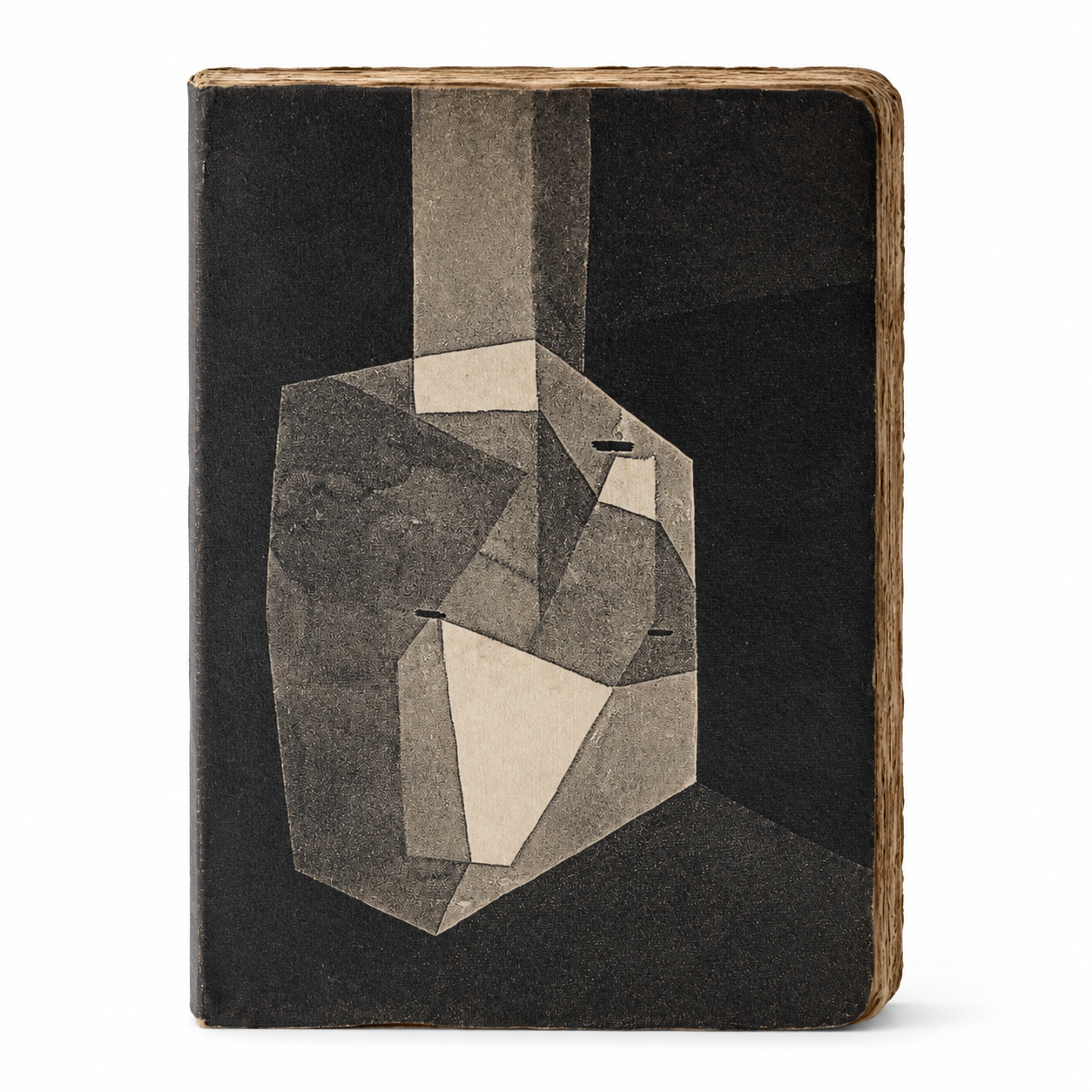
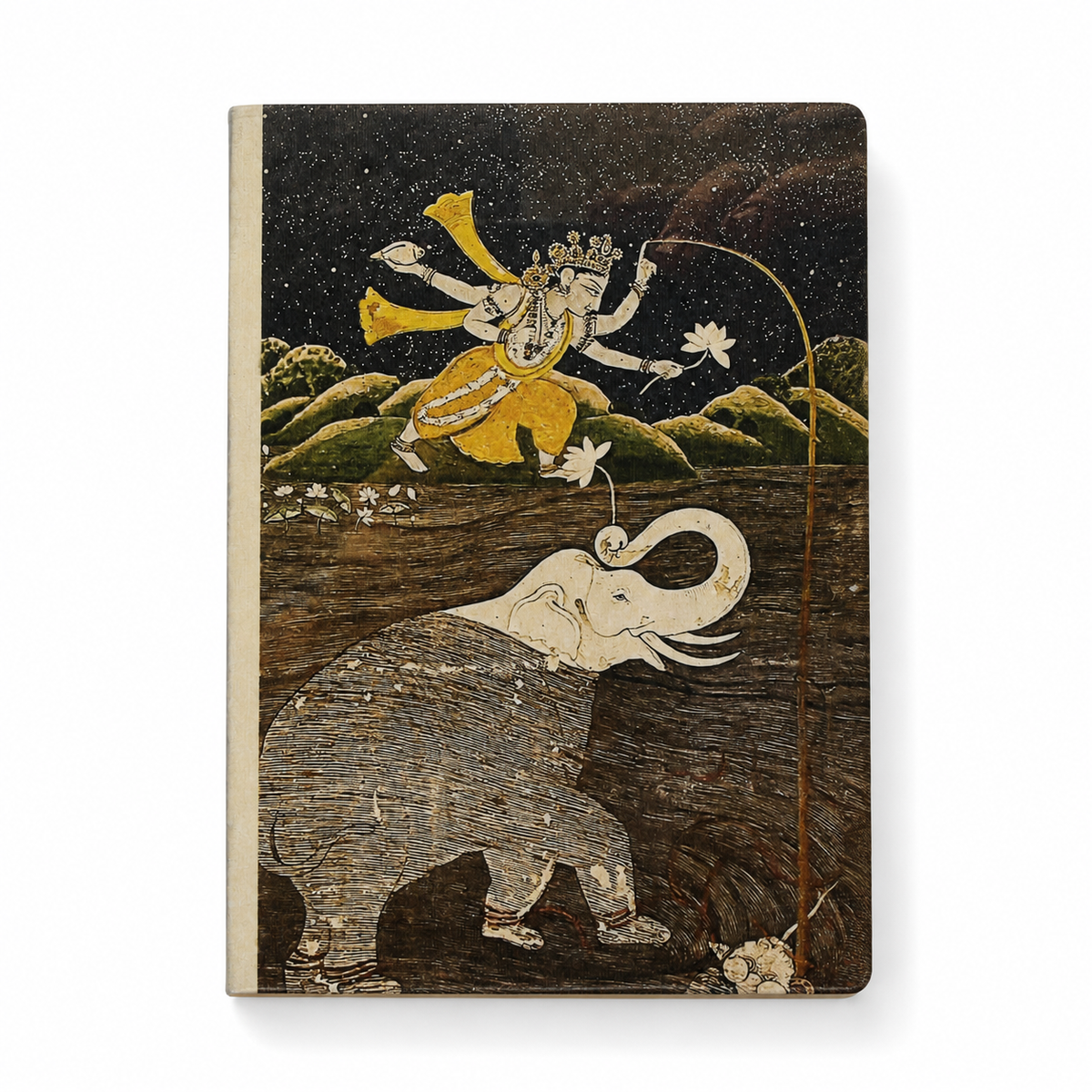
- Artwork Journals: for longer reflections, keepsake writing and art-led gifting.
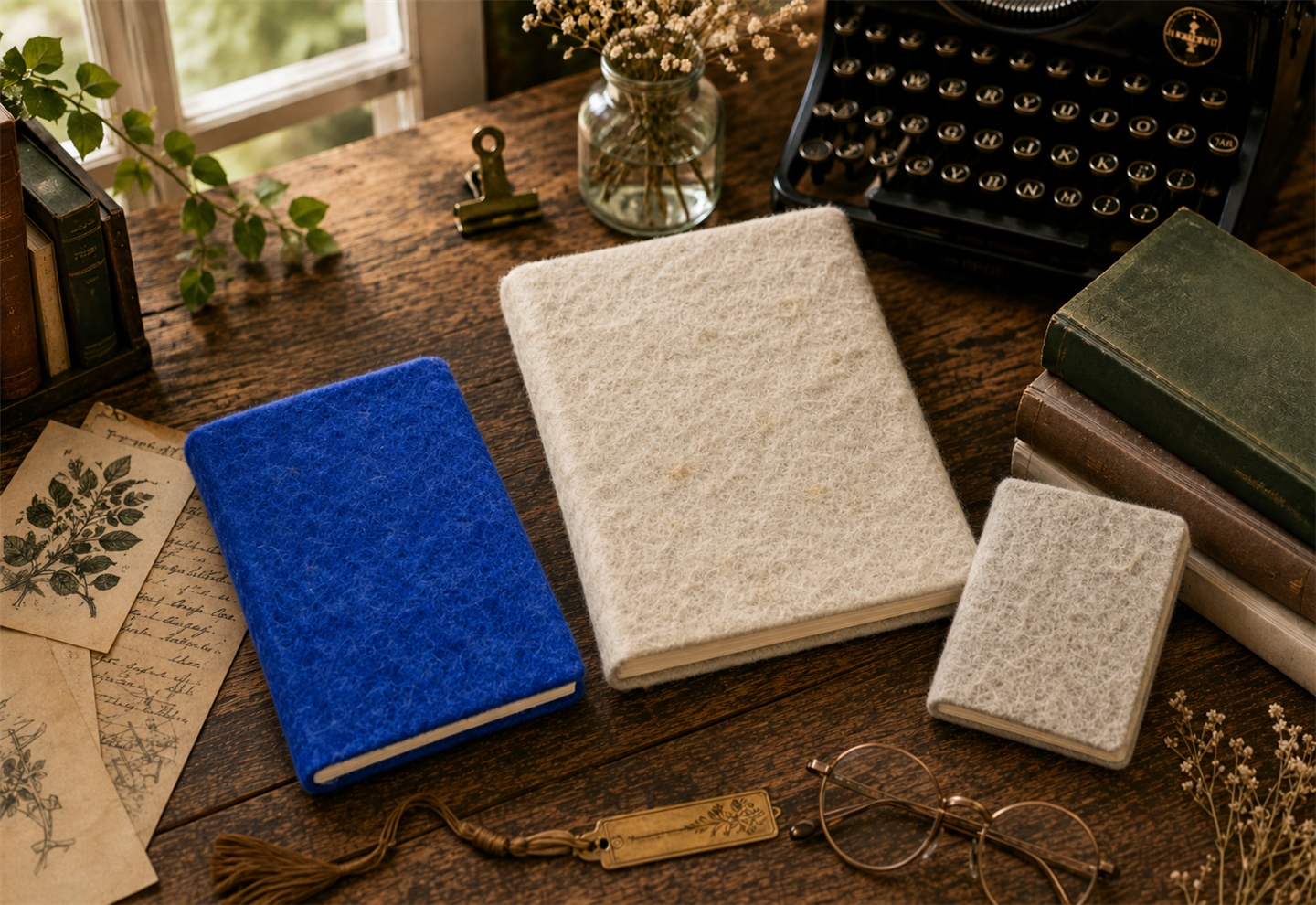
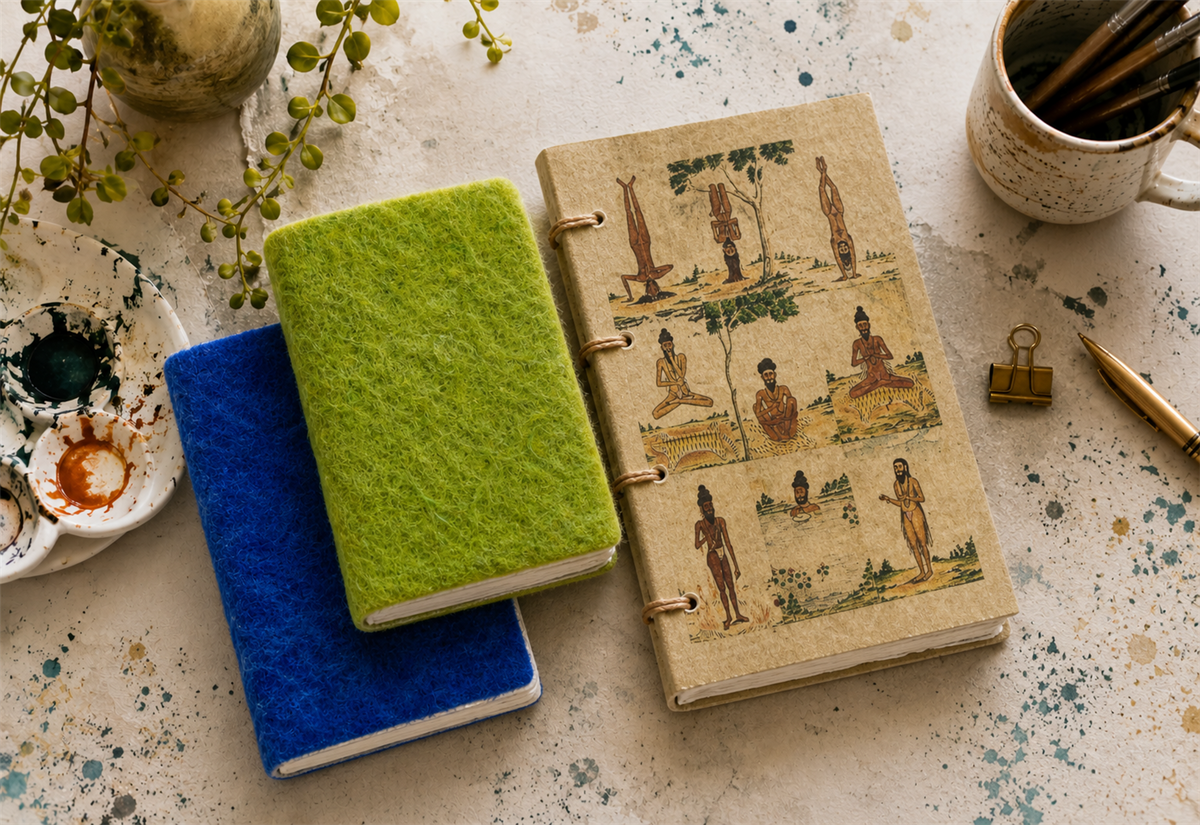
- Felt Journals: for tactile, elevated gifting and personal rituals.
- Artwork Notebooks: for everyday notes, work ideas and writing on the move.
- Felt Notebooks: for premium desk use or thoughtful gifts.
- Pocket Diaries: for compact daily observations, travel notes and small moments.
- Planners: for intentional routines, dated plans and daily organisation.
- Sketchbooks: for visual thinking, drawing and creative experimentation.
For any claim beyond acid-free paper, including archival permanence, marker resistance or fountain-pen performance, publish product-specific specifications and test results rather than relying on a general collection claim.
Checklist: What to Look for Before Buying an Acid-Free Journal
- Is the paper explicitly described as acid-free?
- Does the brand explain whether it is pH-neutral or alkaline-buffered?
- Is the paper weight listed?
- Is the intended writing use clear?
- Does the journal lie comfortably flat?
- Is the paper suitable for your preferred pens?
- Are the pages blank, ruled, dotted or dated?
- Is the binding durable enough for long-term use?
- Are the cover, adhesive and inserts suitable for how you plan to keep the journal?
- Is the journal something you will genuinely want to write in?
Key Takeaways
- Acid-free paper is a meaningful quality indicator for journals and notebooks meant to be kept.
- pH-neutral, buffered and archival-quality are related but distinct terms.
- Acid-free paper is not automatically permanent paper.
- “Archival quality” should be supported by clear specifications.
- ISO 9706 is a stronger permanence reference than a general marketing label.
- Long-term journaling depends on paper, ink, binding and storage together.
- Choose the journal that fits both the life of your writing and the way you want to use it.
Conclusion
A journal is more than a place to write today’s thoughts. It can become a record of a season, a relationship, a journey or a life lived in small details.
Acid-free paper gives those pages a stronger chance of remaining clear, stable and enjoyable to revisit. But the best choice is not made by one label alone.
Look for honest paper specifications, choose a format that encourages you to write and select a journal whose materials match the importance of what you want to keep.
CTA
Explore NOTERA journals, notebooks, planners and pocket diaries for everyday writing that deserves a more thoughtful home. Choose the format that fits your ritual, then look for clear paper and material information on the specific product page.