Art Journal Notebook: How to Choose Design-Led Stationery You’ll Actually Use
An art journal notebook should do more than look beautiful on a shelf.
The right one should suit the way you think, write, sketch, plan or collect ideas. It should feel inviting enough to pick up, practical enough to use often, and personal enough to keep.
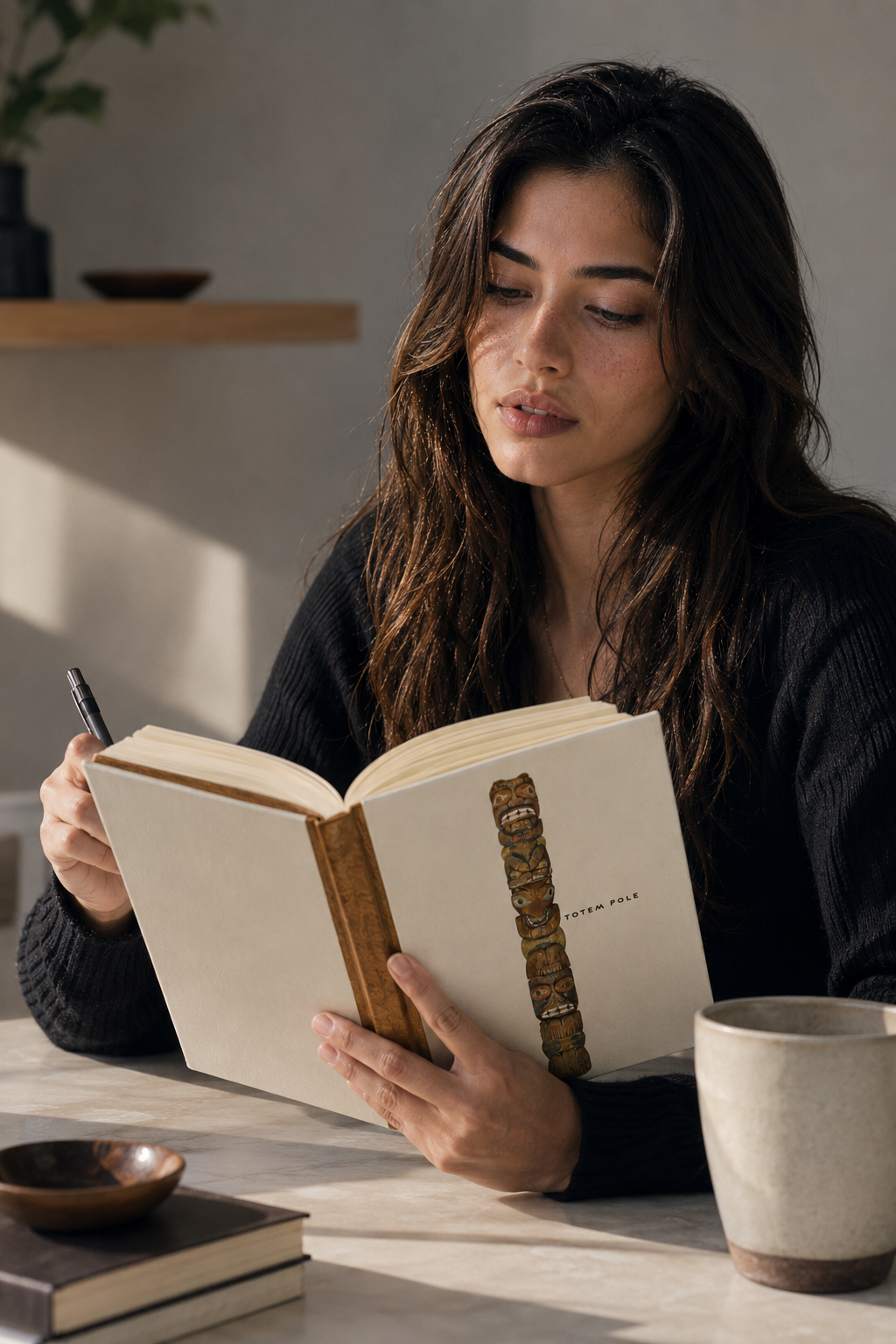
The phrase art journal notebook can mean two different things. It may describe a book made for painting, collage and mixed media. It can also describe a writing journal or notebook with an artist-led cover design.
That difference matters.
A decorative cover can make a journal feel more personal. But paper weight, binding, page format and intended use determine whether it works for handwriting, fountain pens, sketching, paint or collage.
This guide explains how to choose design-led stationery that fits your creative life rather than becoming another beautiful object left unused.
TL;DR
- An art journal notebook can be a mixed-media journal or a writing journal with artwork on the cover.
- Choose the inside pages before choosing the outside design.
- Use a writing journal for reflection, notes, poems and everyday ideas.
- Use a sketchbook or mixed-media format for drawing, collage, paint and wet media.
- Decorative journal designs are most meaningful when they reflect the recipient’s taste, interests or creative ritual.
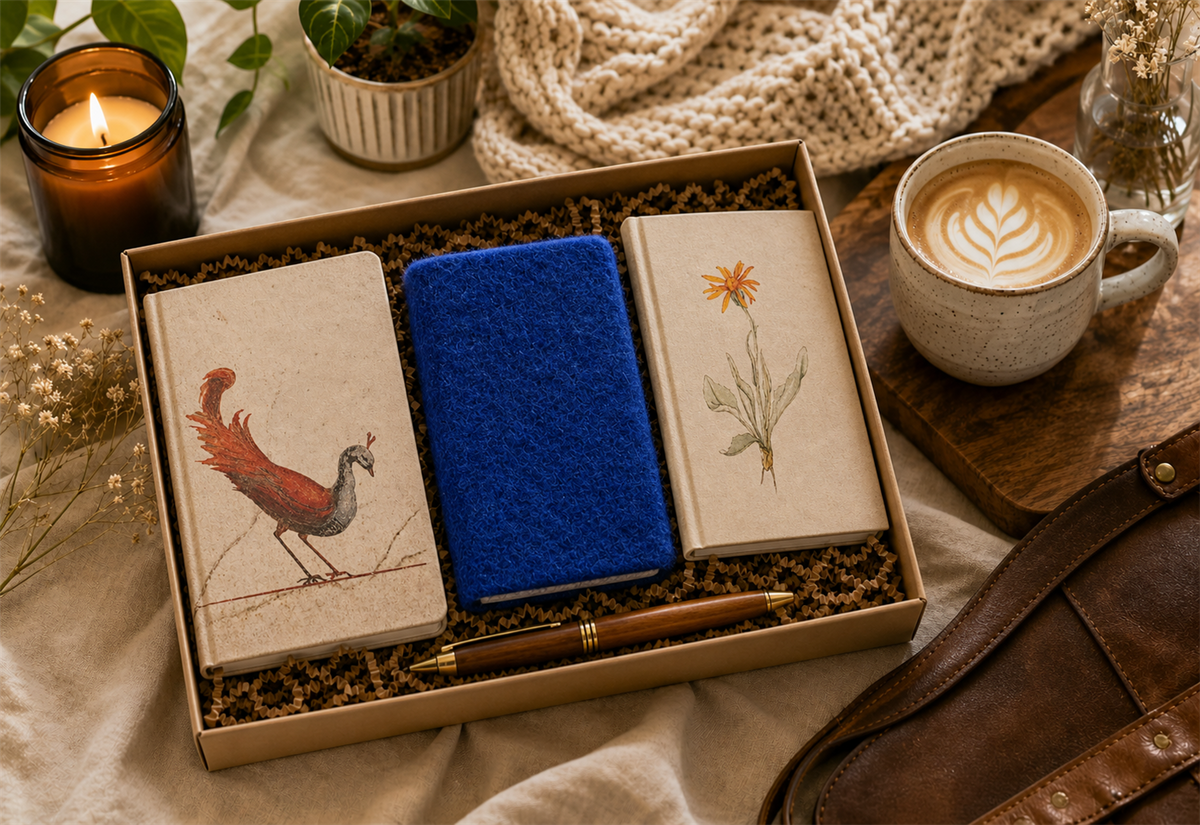
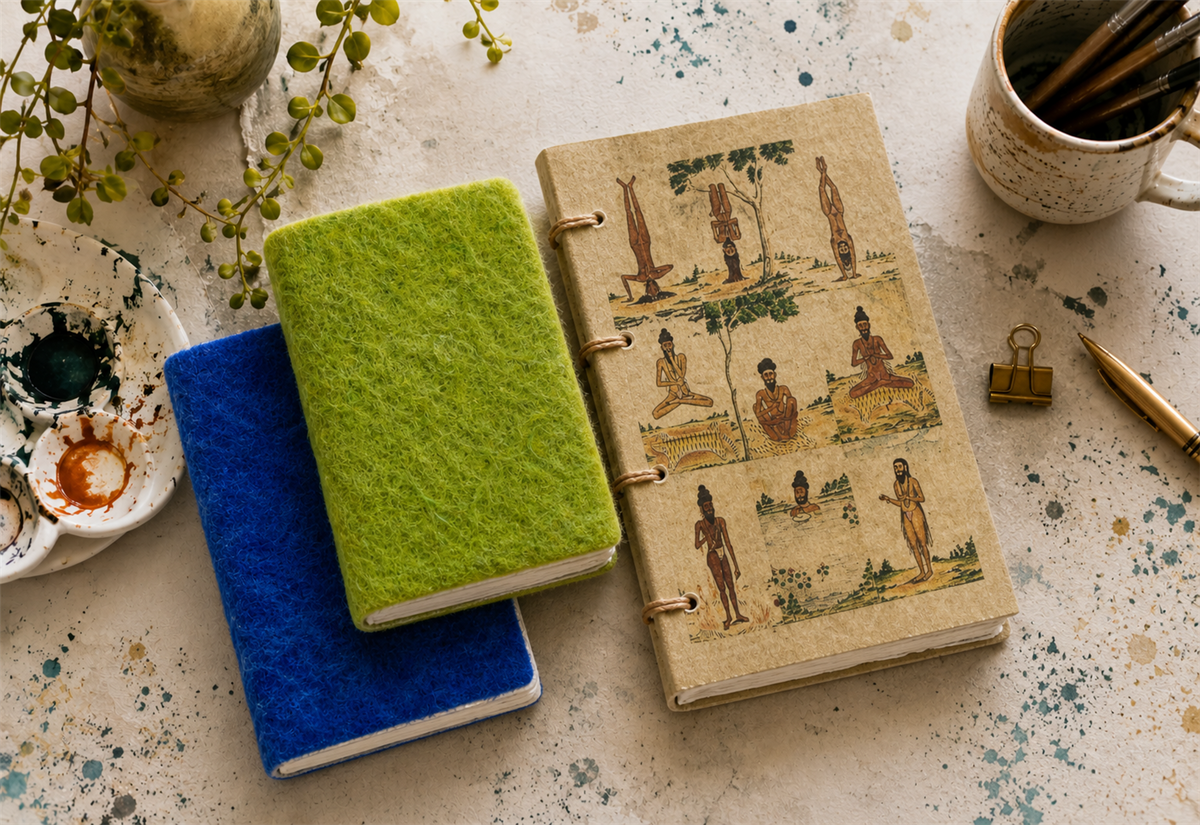
- NOTERA’s Artwork Journals, Artwork Notebooks, Artwork Pocket Diary Sets, Artwork Planners and Artwork Sketchbooks offer different ways to bring art-led design into everyday writing.
What Is an Art Journal Notebook?
An art journal notebook is a paper book that brings together creativity and personal record-keeping.
It may be used for:
- Writing, reflection and daily journaling
- Sketching, visual thinking and idea mapping
- Collage, clippings and memory keeping
- Poetry, quotes and observations
- Planning creative projects
- Drawing, painting or mixed-media work
The phrase can describe two different products:
| Type | Best For | What to Look For |
|---|---|---|
| Mixed-media art journal | Paint, collage, markers, glue and drawing | Thick paper, strong binding and pages suitable for the media you use |
| Artist-cover journal | Writing, reflection, notes and personal ideas | Paper comfort, page layout, portability and a cover you connect with |
| Decorative notebook | Everyday notes, projects and study | Flat-opening format, page style and durability |
| Artwork sketchbook | Drawing, concepts, visual storytelling | Blank pages and paper suitable for dry drawing tools |
The simple rule is this:
Choose a journal for what you will put inside it, then choose the cover that makes you want to return to it.
Why Design-Led Stationery Matters
A journal cover is not just packaging.
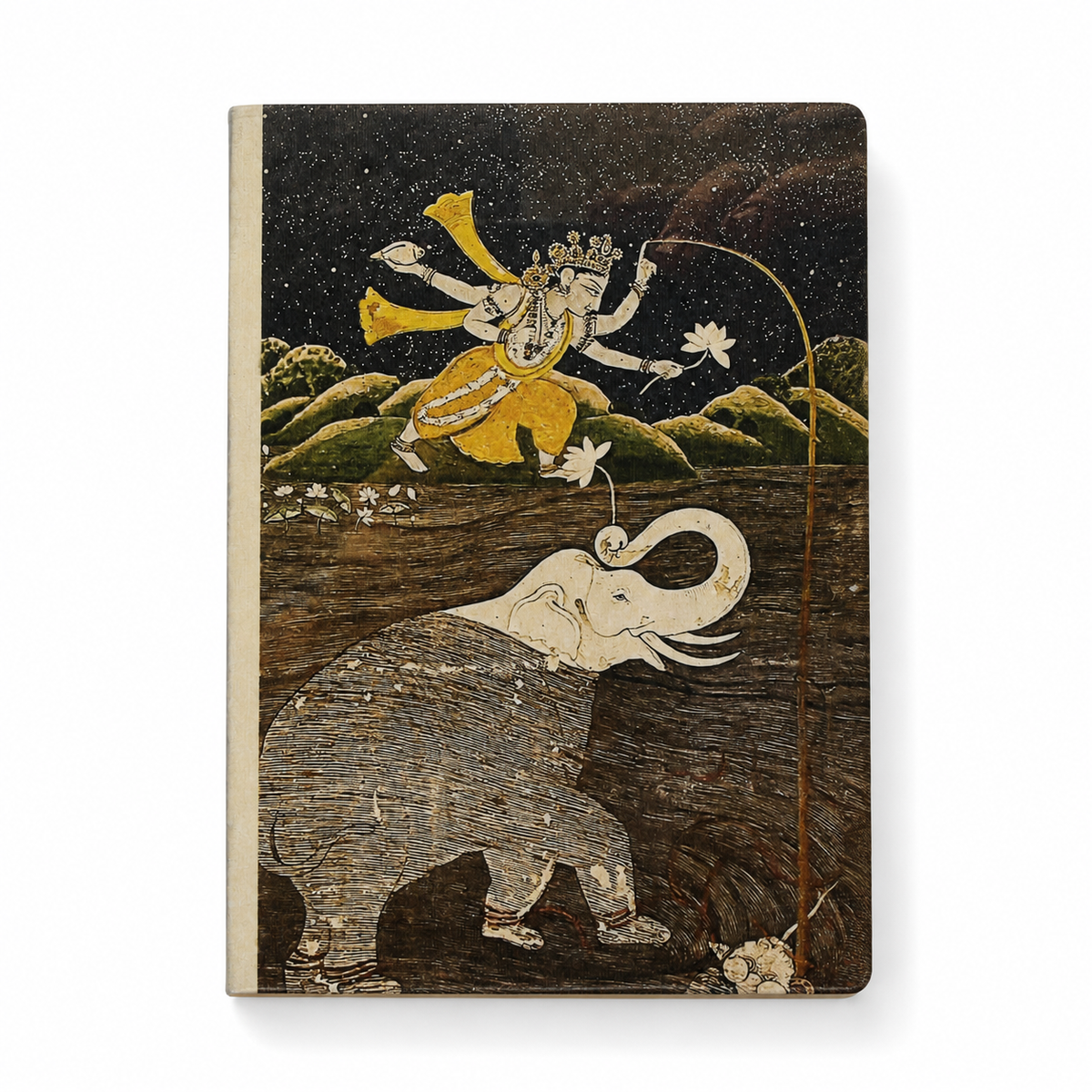
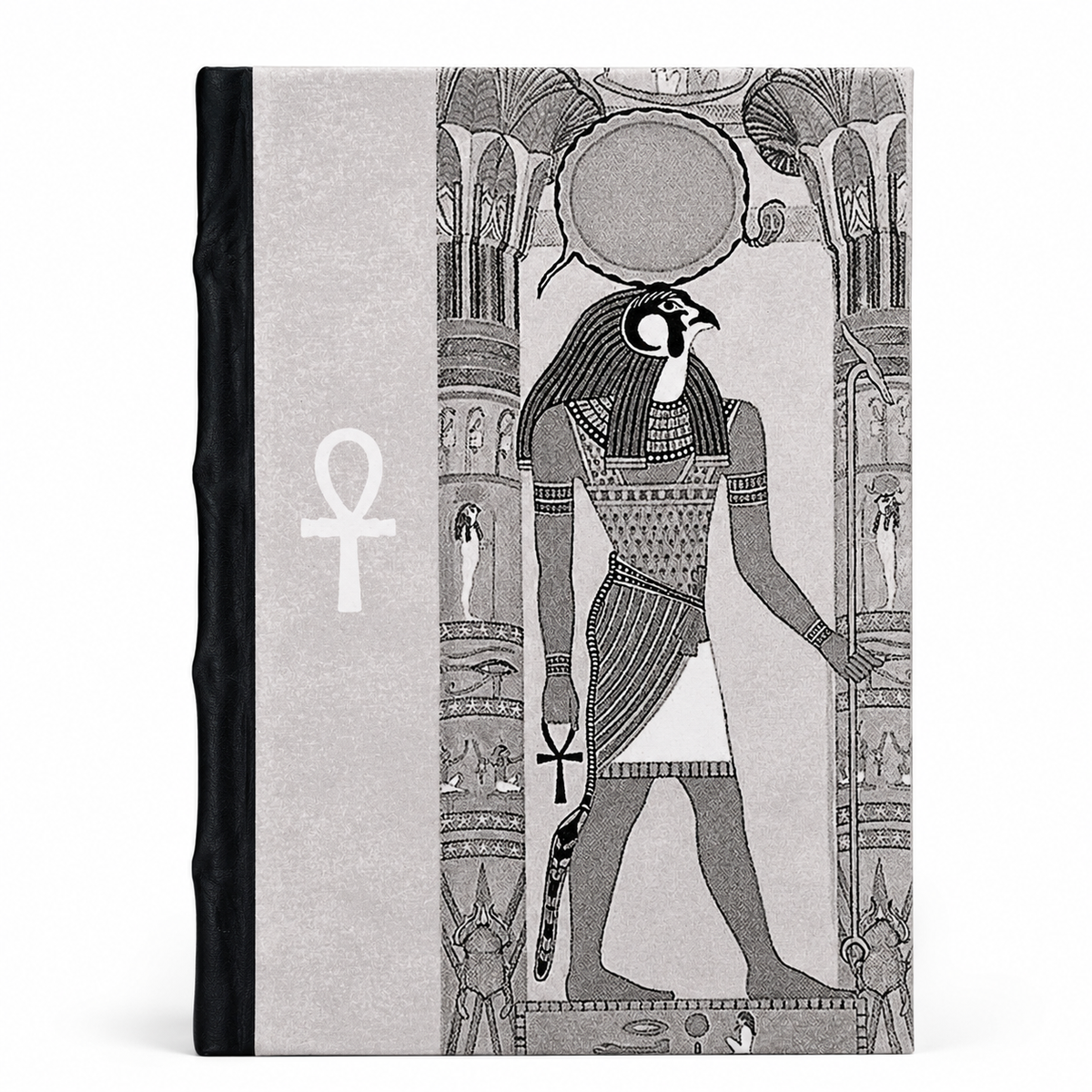
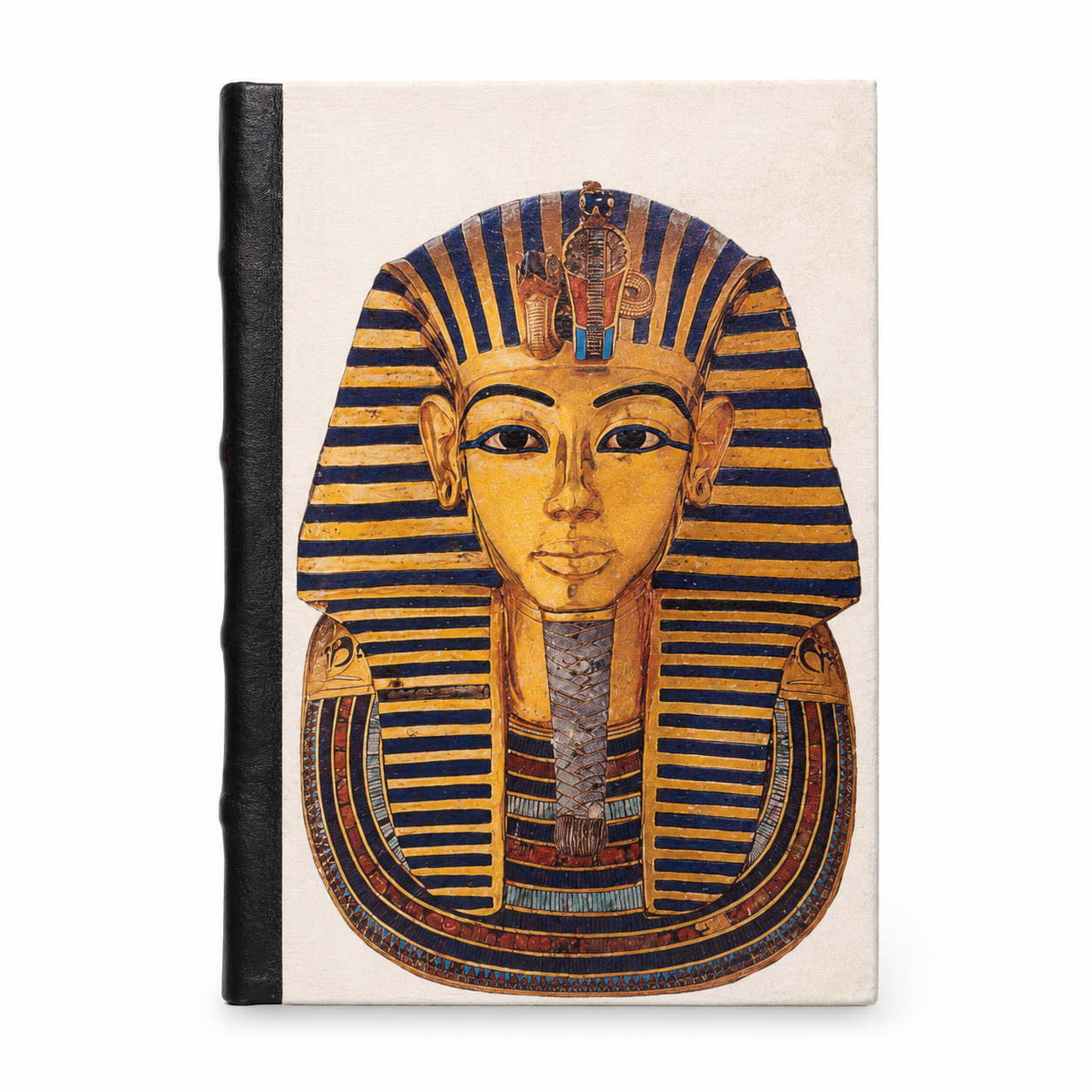
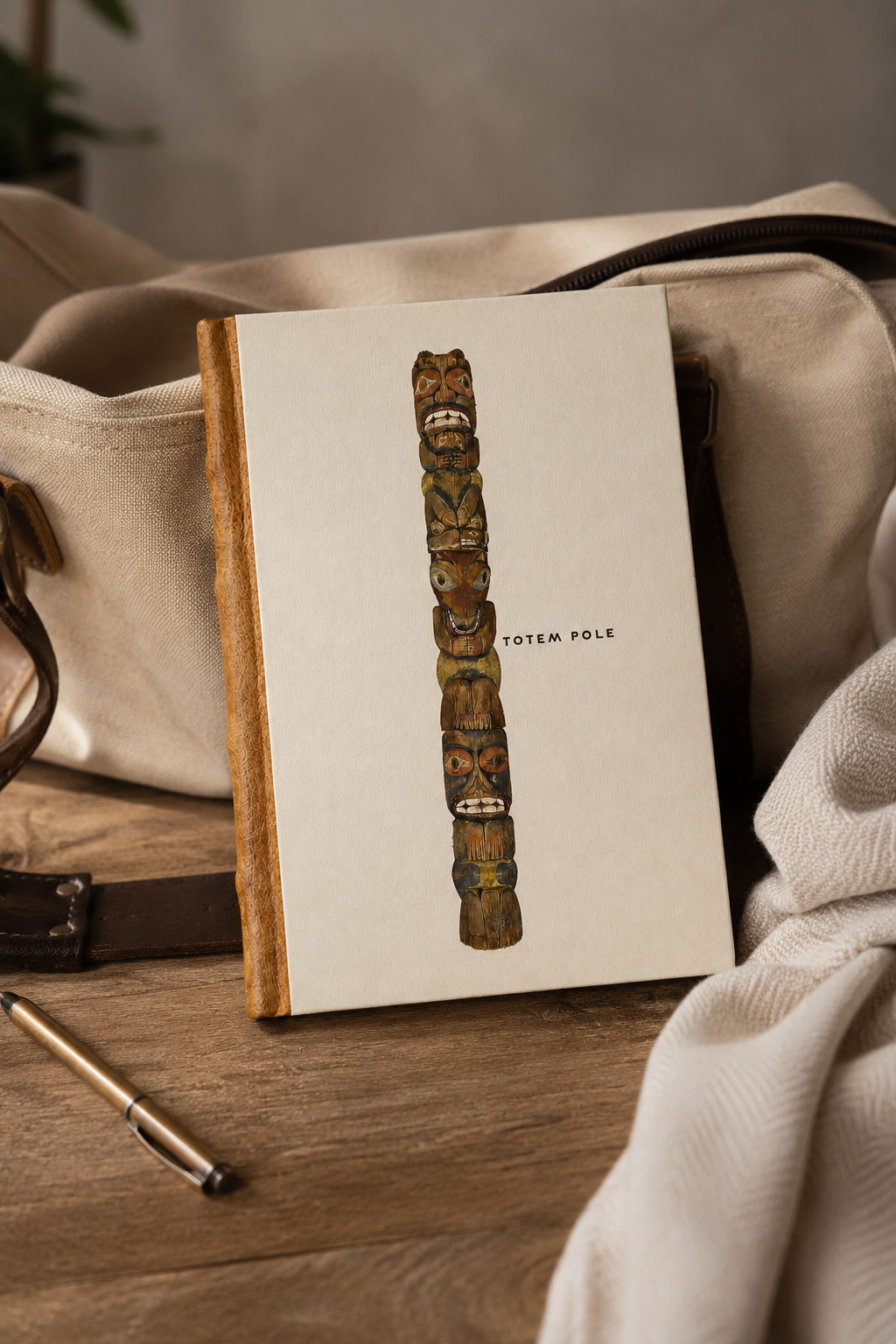
It can set the tone for the kind of writing you want to do. A botanical image may invite slower observation. A heritage-inspired motif may feel connected to memory or place. An abstract cover may make a notebook feel open-ended and experimental.
Design-led stationery works best when visual character and practical function support one another.
A controlled 2021 laboratory study involving 40 participants found that products with stronger design aesthetics produced more positive emotional responses and higher perceived value. The research used electronic products rather than stationery, so it should not be treated as proof that a beautiful cover improves writing. It does, however, support a useful principle: design affects how people feel about the objects they choose to live with.
For a journal, that feeling can matter. A cover may become a small visual cue that says: this is time for my ideas.
Expert Perspective
Moleskine CEO Daniela Riccardi described artist-created notebooks as objects where “each notebook tells a unique story.”
The lesson for stationery is simple: the cover should not compete with the user’s story. It should make room for it.
Art Journal vs Artist-Cover Journal: Know What You Need
Many shoppers buy the wrong journal because the terms sound similar.
A beautiful illustrated cover does not automatically mean a notebook is suitable for watercolour, layered collage or heavy paint. Equally, a plain cover does not mean the journal is less useful for creative work.
Choose a Mixed-Media Art Journal When You Want To:
- Paint with watercolour, gouache or acrylic
- Use glue, collage materials and textured layers
- Work with ink washes or wet brush pens
- Create double-page visual spreads
- Build a visual diary rather than a writing journal
Choose an Artist-Cover Journal When You Want To:
- Journal daily
- Write poetry, thoughts or letters
- Keep travel notes and observations
- Record reading notes or personal goals
- Capture ideas, lists and small memories
- Give a meaningful stationery gift
Choose an Artwork Notebook When You Want To:
- Draft ideas for work or study
- Outline a story, project or business plan
- Keep meeting notes with more personality
- Combine written notes and simple diagrams
- Carry a design-led notebook between home, work and travel
The Art Journal Notebook Decision Framework
| Your Main Use | Best Format | NOTERA Direction |
|---|---|---|
| Reflective writing and daily pages | Hardcover journal | Artwork Journals or Felt Journals |
| Creative writing, poems and project notes | Flat-opening notebook | Artwork Notebooks or Felt Notebooks |
| Ideas while travelling or commuting | Compact diary | Artwork Pocket Diary Sets or Felt Pocket Diaries |
| Planning a creative project | Planner | Artwork Planners |
| Sketching, mapping ideas and visual storytelling | Sketchbook | Artwork Sketchbooks or Felt Sketchbooks |
| A tactile, understated gift | Felt-cover format | Felt Journals, Notebooks or Sketchbooks |
| A more expressive visual gift | Artwork-led format | Artwork Journals, Notebooks or Pocket Diary Sets |
NOTERA’s artwork-led collections are best positioned as writing, planning and visual-thinking companions. For paint-heavy or wet-media art journaling, always check the individual product listing to confirm paper compatibility before use.
Decorative Journal Designs: How to Choose a Cover That Feels Personal
A decorative journal design should feel like a reflection of the person using it, not simply a trend.
1. Choose Art That Matches Their Way of Seeing
Some people are drawn to florals, landscapes and natural textures. Others prefer archival imagery, abstract forms, graphic colour or cultural motifs.
Choose artwork that feels familiar to their world.
A journal for a garden lover may suit botanical design. A writer may enjoy a cover that feels literary, textural or atmospheric. A traveller may prefer art that suggests place, movement or memory.
2. Think About Mood Before Colour
Instead of asking, “What colour do they like?” ask:
- Do they prefer calm or energetic objects?
- Do they like minimalism or ornament?
- Are they drawn to heritage, contemporary art or nature?
- Would they want the journal to feel private, playful, serious or celebratory?
This creates a more thoughtful match than choosing a cover only because it photographs well.
3. Consider Where the Journal Will Live
A bedside journal can feel more intimate and tactile. A work notebook may need to feel polished enough for meetings. A pocket diary should be practical enough for everyday movement.
The best decorative journal designs fit both the person and the place where the object will be used.
4. Do Not Forget the Inside Pages
A cover starts the relationship. The pages sustain it.
Before choosing an art journal notebook, consider:
- Blank, lined, dotted or structured pages
- Paper weight and texture
- Binding strength
- Whether the book lies comfortably open
- Size and portability
- Whether the intended pen or medium suits the paper
- Whether the cover is durable enough for daily carrying
5. Choose Designs That Can Age Well
The most satisfying stationery often becomes more personal with use.
Look for artwork that will still feel meaningful after several months, not just during the first week. A journal should feel like a companion, not a trend that expires.
A Case Study in Artist-Led Notebook Design
Artist collaborations show how a notebook can function as both a practical tool and a cultural object.
Moleskine’s 2024 Asian Collection brought together three creatives from Japan, China and South Korea, using contemporary art, typography and cultural references across notebook designs. Its Detour Shanghai exhibition also presented notebooks created by artists, designers and photographers, showing how covers and pages can become part of an artist’s creative language rather than an afterthought.
The takeaway for NOTERA is not to imitate these collaborations.
It is to recognise the opportunity: art-led stationery can make everyday writing feel more considered when the design has a genuine point of view.
How to Start Using an Art Journal Notebook
You do not need to be an artist to use an art journal notebook.
Start with one simple purpose.
1. The One-Page-a-Day Journal
Write one sentence, one observation or one small memory each day.
Examples:
- Something I noticed today
- A colour I saw
- One thing I want to remember
- A conversation I keep thinking about
- A small win
2. The Written-and-Visual Journal
Use words on one page and a small sketch, ticket, leaf, photograph or colour swatch on the other.
This is ideal for people who find full written journaling intimidating.
3. The Creative Project Notebook
Use one notebook for a novel, a collection of poems, a brand idea, an exhibition concept or a personal business project.
Create sections for:
- Ideas
- References
- Questions
- Drafts
- Research
- Next steps
4. The Reading-and-Reflection Journal
Record quotes, thoughts and questions from books, exhibitions, films and conversations.
This format works especially well with an artwork-led journal because the object becomes part of your creative archive.
5. The Travel Memory Journal
Collect place names, local phrases, food notes, museum tickets, sketches and observations.
A smaller Artwork Pocket Diary Set is especially useful for this kind of on-the-go memory keeping.
6. The No-Pressure Journal
Make one rule: nothing in the journal needs to be impressive.
Use it for messy ideas, unfinished sentences, crossed-out thoughts, lists and experimental sketches. A journal becomes useful when it feels safe to use imperfectly.
Why Handwriting Still Has a Place in a Digital Creative Life
Digital tools are useful for research, collaboration and storing information. But paper remains valuable because it creates a different type of attention.
A 2024 study of 36 university students reported more elaborate brain connectivity patterns during handwriting than during keyboard typing. The study does not prove that handwriting is better for every task or every person, but it supports the idea that writing by hand is a distinct cognitive activity.
For many people, that is enough reason to keep one good journal nearby.
Not because paper replaces technology, but because it creates a slower place for thought.
Are Artist-Cover Journals Good Gifts?
Yes. An artist-cover journal is a particularly strong gift because it is useful without being overly prescriptive.
It can suit:
- Writers
- Journalers
- Students
- Artists
- Designers
- Professionals
- Travel lovers
- New parents
- People beginning a new chapter
- Anyone who values thoughtful everyday objects
Gift Selection Table
| Recipient | Best NOTERA Gift Direction |
|---|---|
| The reflective journaler | Artwork Journal |
| The creative writer | Artwork Notebook |
| The visual thinker | Artwork Sketchbook |
| The traveller | Artwork Pocket Diary Set |
| The organised creative | Artwork Planner |
| The minimalist | Felt Journal or Felt Notebook |
| The art lover | Artwork Journal with a separate handwritten card |
| The difficult-to-buy-for recipient | Artwork Notebook paired with a bookstore or museum gift card |
A Gift Note to Add
For the ideas, memories and stories that deserve a place to stay.
Write the note on a separate card instead of the first journal page. Many people prefer to decide how a new journal begins.
Art Journal Notebook Buying Checklist
Before choosing a journal, ask:
- What will I use it for most: writing, drawing, planning or collage?
- Will I use pens, pencils, fountain pens, markers or paint?
- Do I prefer blank, lined, dotted or structured pages?
- Will I carry it daily or keep it at a desk?
- Do I want a private journal, a work notebook or a gift?
- Does the cover feel like something I will still enjoy in six months?
- Does the binding support the way I write or draw?
- Does the paper suit my intended medium?
- Is the design meaningful, or only momentarily attractive?
- Will I be happy to see this object in my everyday space?
Key Takeaways
- An art journal notebook can mean a mixed-media art book or an artist-cover writing journal.
- Choose paper, binding and page format before choosing cover design.
- Design-led stationery becomes more meaningful when it matches the user’s creative habit.
- Decorative journal designs are most effective when they feel personal, useful and lasting.
- NOTERA Artwork Journals and Notebooks are best suited to writing, reflection, creative projects and visual thinking.
- For wet media, always verify paper suitability on the specific product page.
Conclusion
A good art journal notebook does not need to make you more creative.
It simply needs to give your ideas a place where they feel welcome.
Choose a format that supports your actual habits. Choose paper that suits your tools. Then choose artwork that feels personal enough to make you reach for it again.
Explore NOTERA’s Artwork Journals, Artwork Notebooks, Artwork Pocket Diary Sets, Artwork Planners and Artwork Sketchbooks to find design-led stationery that earns a place in your everyday life.