Sketchbook Ideas for Beginners: 60 Drawing Prompts to Start Today
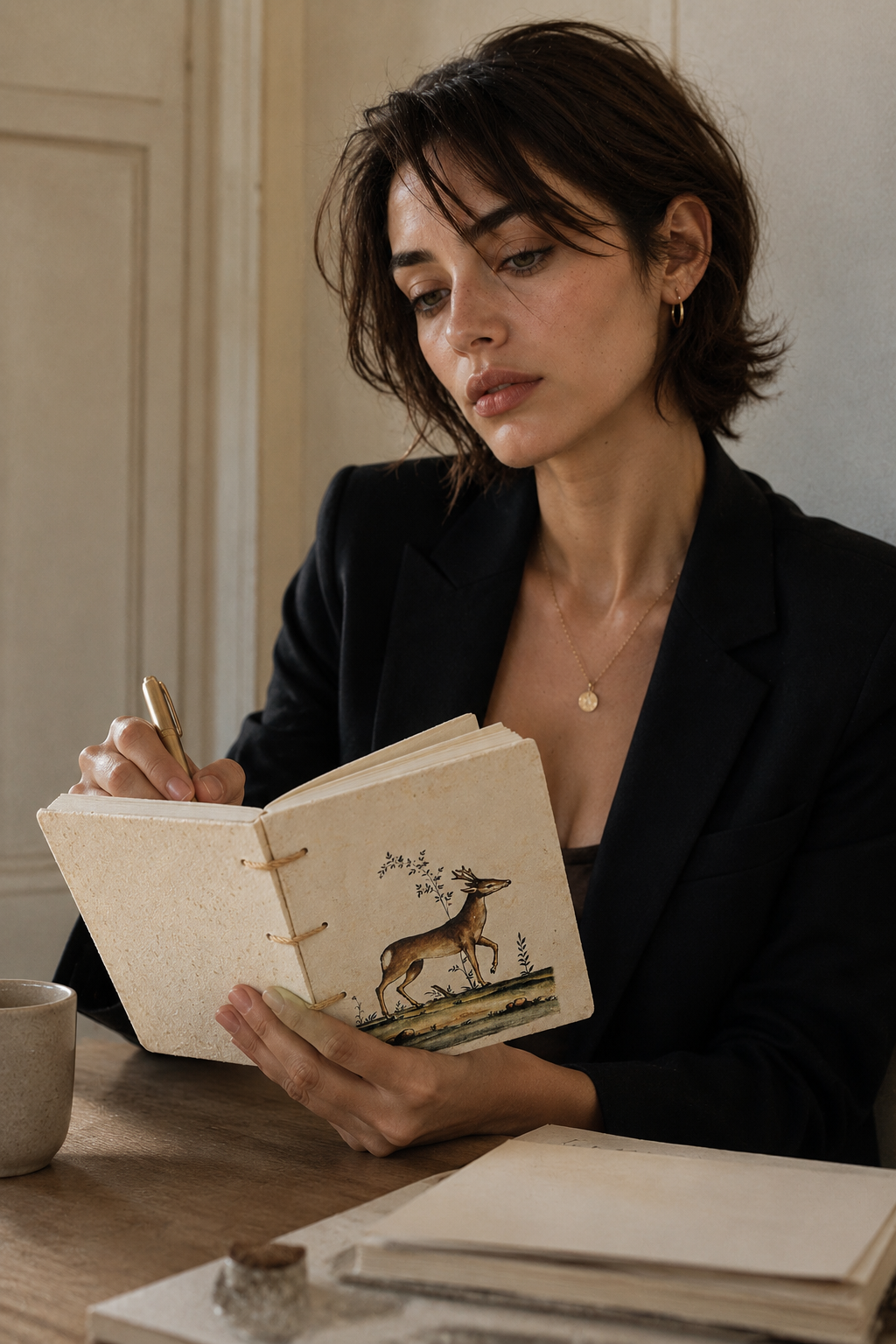
A sketchbook is not a gallery of finished artwork. It is a private place to observe, test ideas, practise marks, record memories and make drawings that do not need to impress anyone.
The easiest way to begin is not to wait for inspiration. Start with something close to you: a mug, your keys, a shoe, a plant, a hand or the view from a window. Then give each page one small purpose.
A useful beginner sketchbook follows four steps: look at something real, make loose marks, practise one simple skill and add your own ideas over time.
TL;DR
- Start with simple objects you can see around you.
- A sketchbook does not need polished or finished drawings.
- Use fast timed sketches to reduce pressure.
- Practise one skill at a time: shape, line, shadow, texture or colour.
- Draw from observation, imagination, memory and daily life.
- Use prompts when you do not know what to draw.
- Match paper to your preferred medium before using wet materials or markers.
- Treat every page as practice, not proof of talent.
What Is a Sketchbook?
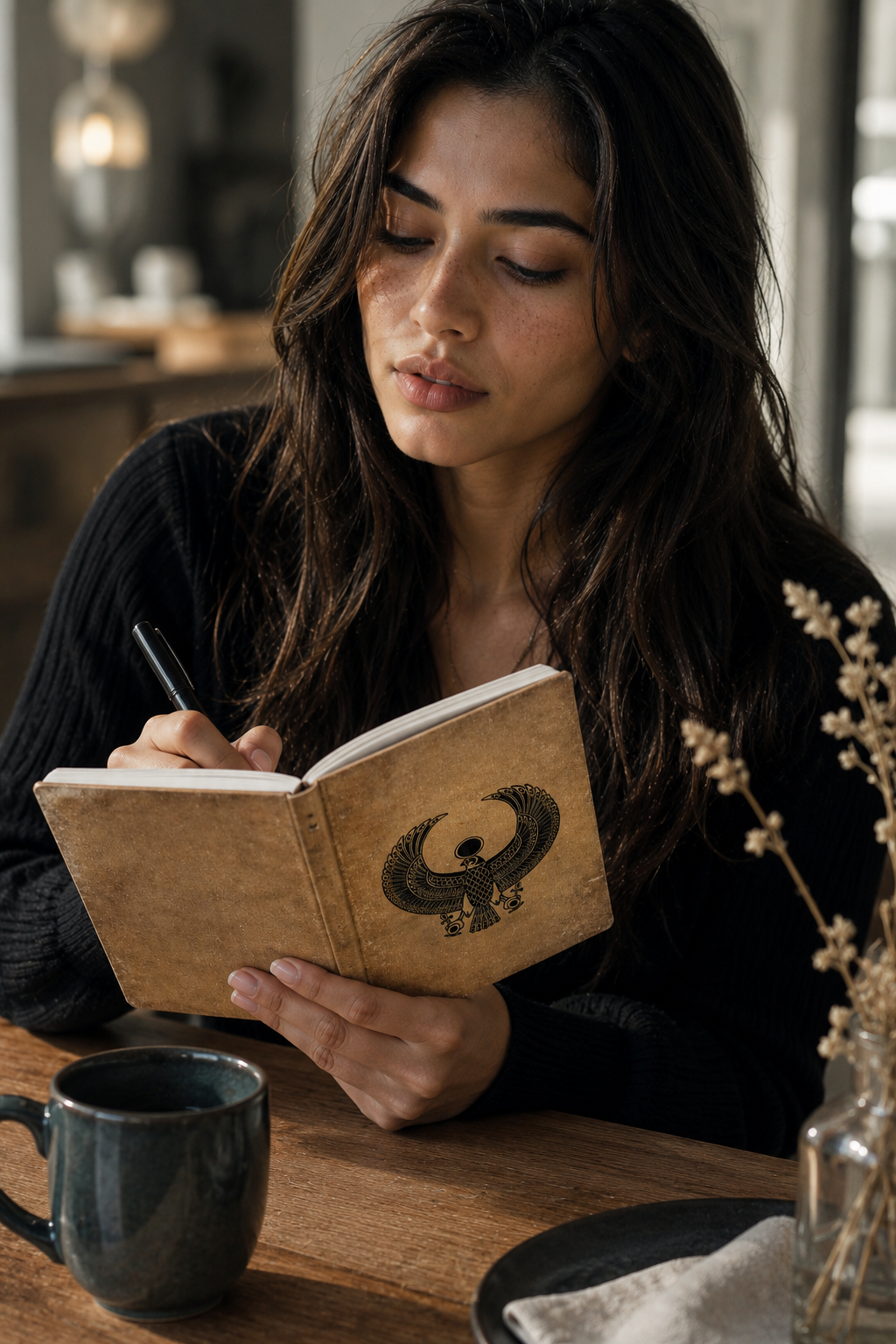
A sketchbook is a personal space for drawing, observing, testing ideas and recording visual thoughts.
It can hold rough studies, unfinished work, colour notes, written observations, maps, visual memories, diagrams, characters, landscapes, objects and experiments with materials.
The V&A describes sketchbooks as personal records of thoughts, observations, problems and memories. It notes that architects use them to record objects, document journeys and experiences, and solve visual problems.
The Best First Rule: Do Not Wait to Feel Ready
Many beginners leave the first page blank because they think it needs to be special.
It does not.
Your first page can be:
- A page of lines, circles and shapes
- A drawing of your coffee mug
- A list of things you want to draw
- A messy self-portrait
- A colour test
- A note saying, “This book is for practice”
- A simple sketch of your hand
- A page of small thumbnails
The V&A’s collection-based work shows that sketchbooks have long been used for preparatory studies, material experiments, drawings from life and imaginative planning—not only polished finished art. Its recent sketchbook publication includes around 80 artist profiles from different eras and movements.
The NOTERA Method: Look → Loosen → Learn → Layer
1. Look
Draw what is in front of you.
Start with familiar objects because you do not need to invent anything.
Good beginner subjects include:
- Mug
- Keys
- Shoe
- Spoon
- Headphones
- Plant leaf
- Fruit
- Book
- Glass
- Backpack
- Lamp
- Window view
Tate’s material on Bonnard’s sketchbooks highlights everyday people, objects, interiors, landscapes and weather as valid sketchbook subjects.
2. Loosen
Make fast marks before trying to make a finished drawing.
Try:
- Thirty-second sketches
- Blind-contour drawings
- Continuous-line drawings
- Non-dominant-hand drawings
- One-minute object studies
- Repeating the same object three times
The goal is to make the page less precious.
3. Learn
Give each page one small skill focus.
For example:
| Skill | Beginner exercise |
|---|---|
| Shape | Break a mug into circles, rectangles and curves |
| Proportion | Compare the height and width of a bottle |
| Line | Draw an object using only one continuous line |
| Tone | Shade a sphere using light, mid-tone and dark |
| Texture | Draw wood, fabric, glass and metal in four boxes |
| Perspective | Sketch a room corner using simple guide lines |
| Colour | Make a small palette from objects on your desk |
4. Layer
Once observation feels easier, add your own visual language.
Combine:
- A drawing
- One written note
- A date
- A colour sample
- A memory
- A small collage element
- A short caption
- A question
- A thumbnail for a future idea
This is how a sketchbook becomes personal rather than only technical.
60 Sketchbook Ideas for Beginners
15 Easy Observation Prompts
- Draw your favourite mug.
- Draw the contents of your bag.
- Draw one shoe from three angles.
- Draw your hand holding an object.
- Draw a houseplant leaf.
- Draw your keys on a table.
- Draw a piece of fruit before eating it.
- Draw a chair in your room.
- Draw a folded piece of fabric.
- Draw a spoon, fork or pair of scissors.
- Draw a book with its pages slightly open.
- Draw a glass of water and its reflection.
- Draw the view from a window.
- Draw your breakfast or afternoon tea.
- Draw an object that reminds you of home.
15 Sketching Exercises for Beginners
- Fill one page with circles, squares, triangles and spirals.
- Draw one object using only straight lines.
- Draw one object using only curved lines.
- Make three thirty-second sketches of the same object.
- Draw a plant without lifting your pen.
- Draw your hand with your non-dominant hand.
- Draw five objects using only simple geometric shapes.
- Draw a sphere with three values: light, mid-tone and dark.
- Draw the same object in pencil, pen and coloured pencil.
- Draw an object from above, eye level and below.
- Make a page of texture studies: wood, fabric, glass and metal.
- Draw a simple room corner using perspective lines.
- Draw the same object large, medium and tiny.
- Create a page of different kinds of marks.
- Draw one object without using an eraser.
15 Creative Art Prompts for a Sketchbook
- Invent a plant that does not exist.
- Draw a tiny room inside a matchbox.
- Create a character based on your favourite snack.
- Draw a map of an imaginary town.
- Turn a cloud shape into a creature.
- Design a book cover for a story that does not exist.
- Draw an object from the future.
- Create a page inspired by one colour.
- Draw a shop you would love to visit.
- Illustrate a dream you remember.
- Draw a self-portrait as a cartoon character.
- Create a poster for an imaginary event.
- Draw a bird made from household objects.
- Design a pattern inspired by your surroundings.
- Draw an ordinary object with an unusual scale.
15 Visual-Journal Prompts
- Draw something you saw on your way home.
- Make a colour palette for today.
- Draw your room as it looks right now.
- Add a sketch and three words describing your mood.
- Draw a meal you want to remember.
- Make a page of things that feel like home.
- Draw a place you visited recently.
- Sketch a ticket, receipt or small paper keepsake.
- Draw a favourite corner of a café, park or room.
- Create a page about the weather today.
- Draw something that made you laugh.
- Sketch an object you use every day but rarely notice.
- Draw a memory from childhood.
- Make a page titled “Things I Saw This Week.”
- Draw one small detail you want to remember ten years from now.
The Seven-Day Sketchbook Starter Plan
| Day | Focus | Simple activity |
|---|---|---|
| Day 1 | Permission | Fill a page with marks, shapes and your name |
| Day 2 | Observation | Draw a mug or shoe for ten minutes |
| Day 3 | Line | Try three continuous-line drawings |
| Day 4 | Tone | Shade one simple object with light and dark |
| Day 5 | Texture | Draw fabric, wood, glass and metal |
| Day 6 | Imagination | Create an object or creature that does not exist |
| Day 7 | Reflection | Draw one moment from the week and add a caption |
At the end of the week, do not judge whether the work is “good.” Ask only:
- Which activity felt easiest?
- Which material did I enjoy?
- What did I notice more carefully?
- What do I want to try next?
Sketchbook Ideas by Confidence Level
| Confidence level | Best place to begin |
|---|---|
| “I have not drawn in years.” | Lines, shapes, mug, keys, plants and one-minute sketches |
| “I can draw objects but feel stuck.” | Texture studies, perspective, colour palettes and timed sketches |
| “I want more creativity.” | Invented characters, maps, imagined rooms and visual stories |
| “I want to improve observation.” | Everyday objects, interiors, people in cafés and outdoor scenes |
| “I want a personal sketchbook.” | Drawings plus captions, dates, tickets and memory notes |
| “I want to try colour.” | Small palettes, coloured pencil studies and simple marker tests |
Sketchbook vs Journal vs Notebook
| Format | Best for | Typical content |
|---|---|---|
| Sketchbook | Visual thinking, drawing and experiments | Sketches, colour studies, diagrams, characters and observation |
| Journal | Reflection and personal writing | Thoughts, memories, gratitude and longer entries |
| Notebook | Flexible ideas and practical notes | Lists, work notes, project ideas and writing |
| Planner | Time and task organisation | Dates, appointments, routines and priorities |
| Pocket diary | Quick everyday capture | Short notes, observations, travel details and ideas |
A sketchbook can also be a visual journal. Add dates, captions, small written reflections or personal objects alongside drawings when you want pages to hold memories as well as practice.
What Should You Draw When You Have No Ideas?
Use the nearest available subject.
Try this prompt:
Draw the closest object you can reach without standing up.
Then try one of these:
- Draw something that is round.
- Draw something transparent.
- Draw something soft.
- Draw something with text on it.
- Draw something old.
- Draw something you use every day.
- Draw something that makes a sound.
- Draw something you would take on a trip.
- Draw something from memory.
- Draw something you wish existed.
A practical artist prompt can be more useful than waiting for inspiration.
Expert Insight: Sketchbooks Are for Thinking, Not Performing
Architect Eva Jiřičná describes sketching as a way to understand how materials and details work in three dimensions. She says, “I don’t sketch to make a beautiful drawing, but to resolve ideas.”
Case Snapshots
Pierre Bonnard: Everyday Subjects Are Enough
Tate notes that Bonnard drew people, places, objects, interiors, landscapes and weather in his sketchbooks.
NOTERA takeaway: Beginners do not need dramatic subject matter. Ordinary surroundings provide enough material for years of sketchbook practice.
Architects: Observation, Memory and Problem-Solving
The V&A documents architects using sketchbooks to observe objects, document journeys and experiences, and solve design problems.
NOTERA takeaway: A sketchbook can hold visual notes, functional diagrams, travel memories and imaginative ideas in the same book.
Paper Choice: Match the Medium to the Page
Strathmore’s media guides distinguish paper made for dry drawing media from sheets designed to handle wet or mixed media. Its material guidance notes that mixed-media paper combines a drawing surface with wet-media capability, while dry-media papers may not be designed for repeated wet applications.
NOTERA takeaway: Choose a sketchbook based on the materials you will actually use, not only cover style or GSM.
Choosing a Sketchbook for Your Medium
| Main medium | What to look for | Product-claim caution |
|---|---|---|
| Graphite pencil | Comfortable drawing surface with enough tooth for shading | Most sketch paper can suit this, but texture preferences vary |
| Coloured pencil | Slight tooth for layering and grip | Test a small area for blending and erasing |
| Fineliner or ink | Smooth-enough surface and controlled absorption | Check for bleed-through with your specific pen |
| Marker | Product-specific marker compatibility | Do not assume paper weight alone prevents bleed-through |
| Watercolour or gouache | Paper explicitly described for wet media | Do not use a standard sketchbook for wet media unless stated |
| Mixed media | Paper explicitly described for both dry and wet media | Check sizing, page weight and intended uses |
A Note on NOTERA Sketchbooks
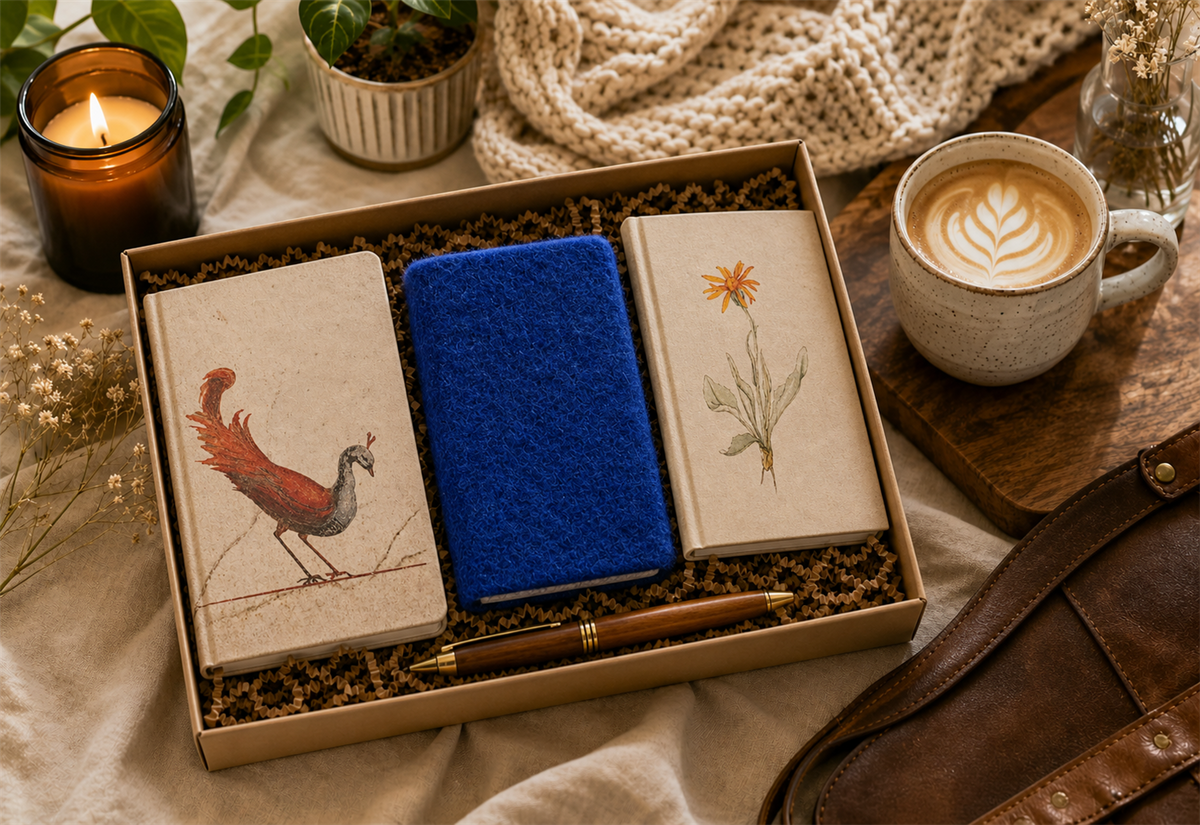
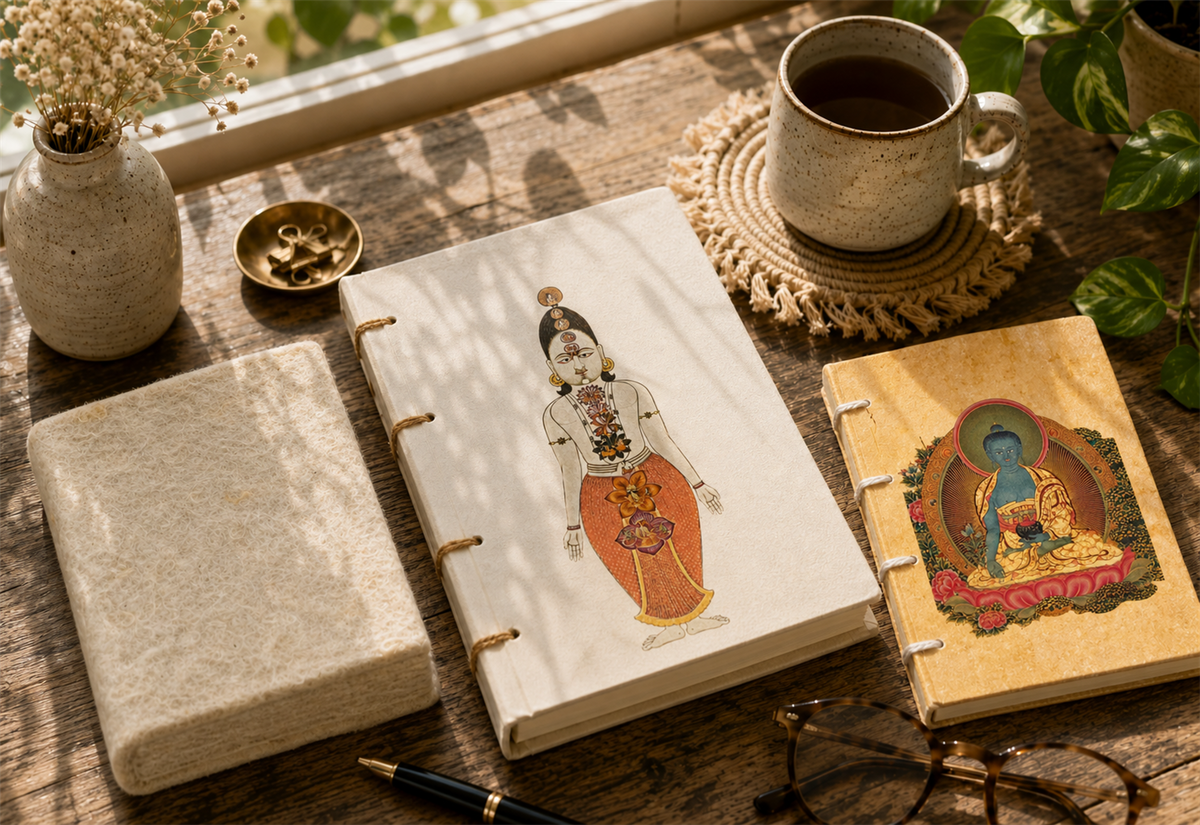
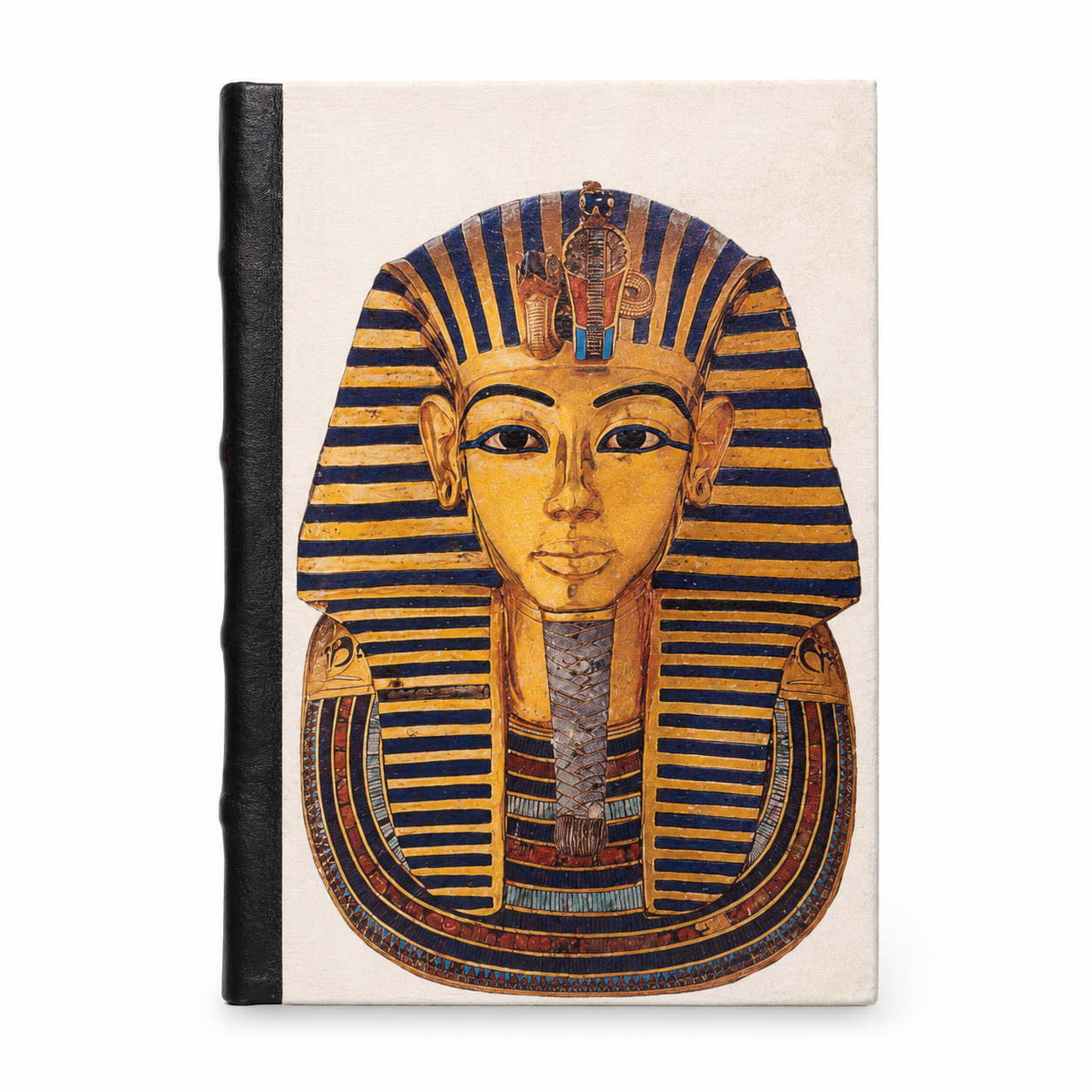
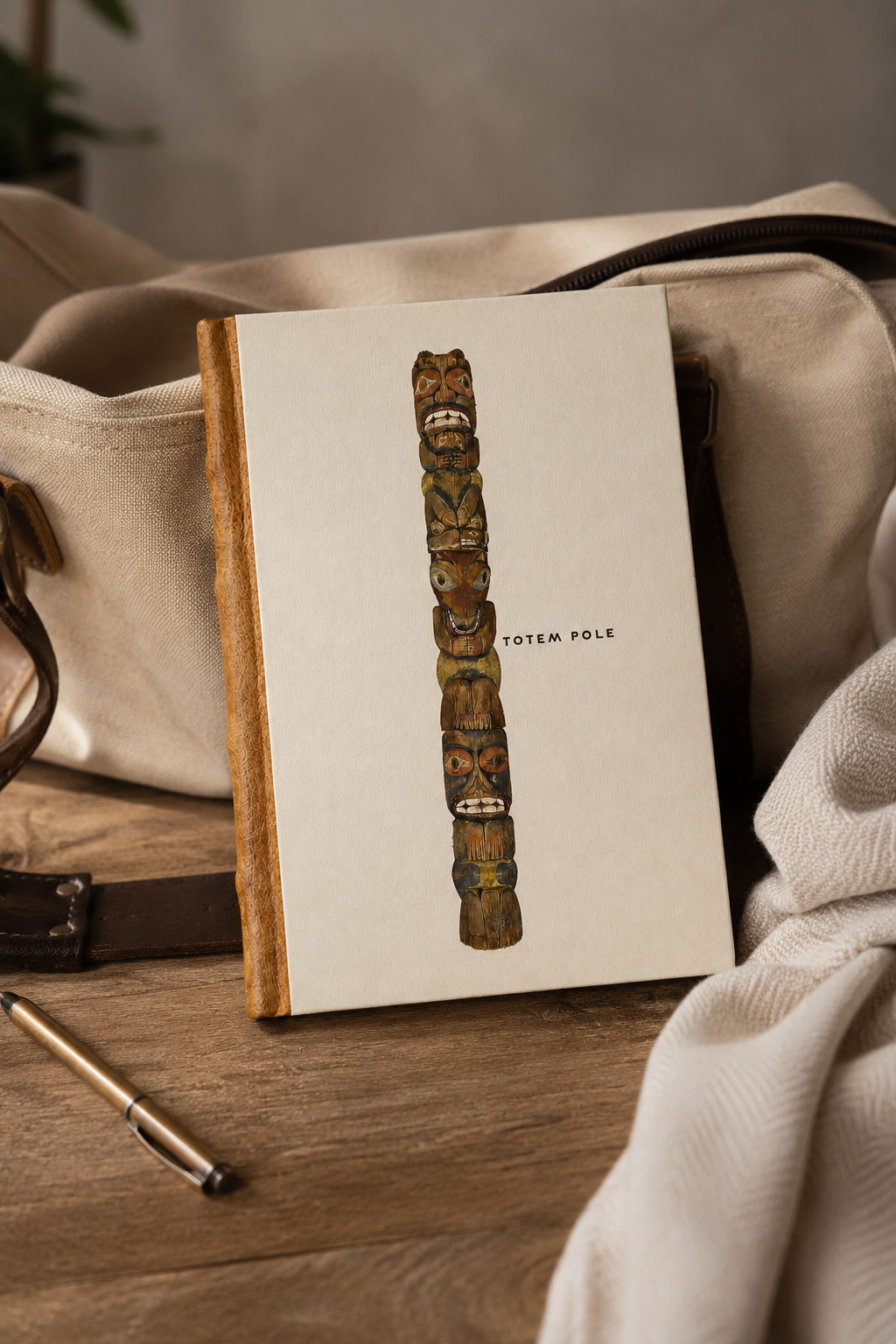
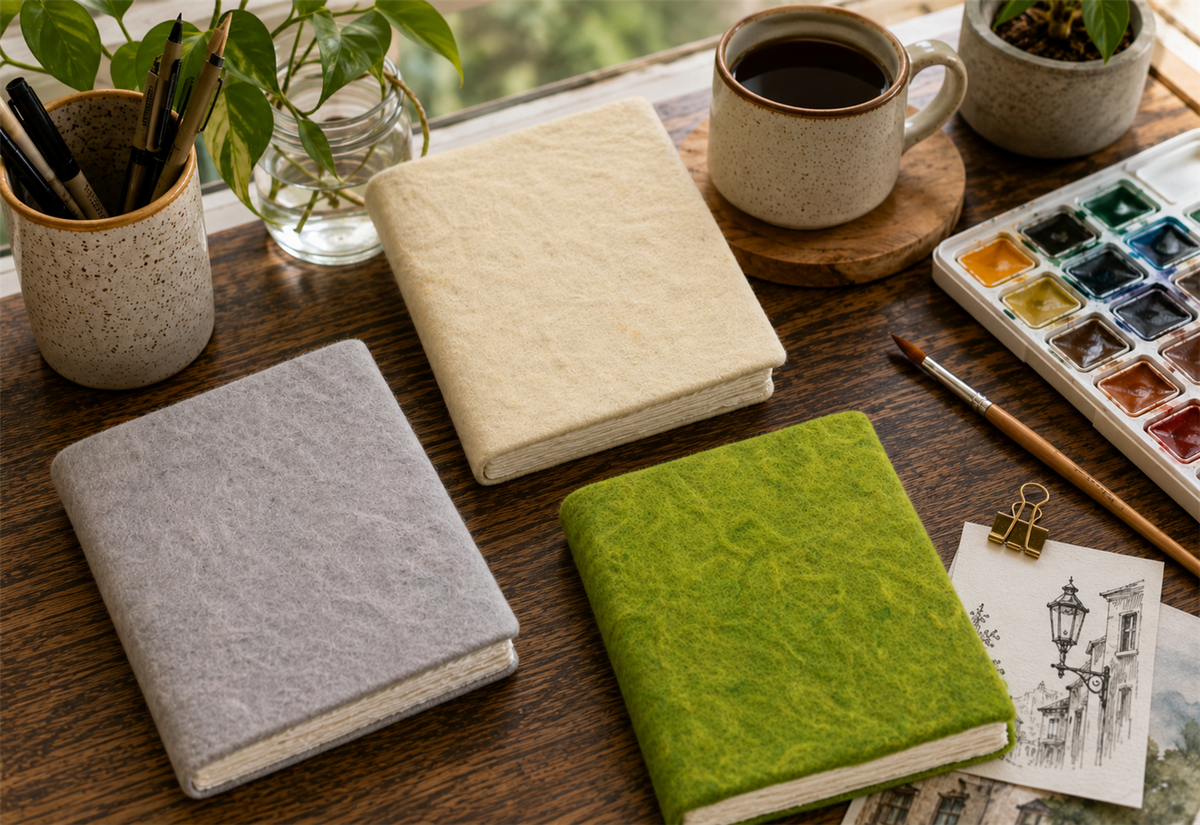
NOTERA’s Artwork Sketchbooks and Felt Sketchbooks are best positioned for visual journaling, drawing ideas, personal sketch practice and thoughtful gifting.
Where a NOTERA product page specifies handmade paper, acid-free paper or 125 GSM paper, present those as material attributes. Do not claim fountain-pen resistance, marker resistance, watercolour suitability or wet-media performance unless the individual product page provides verified testing or stated compatibility.
How to Make a Sketchbook Habit Last
Keep It Visible
Leave your sketchbook and one dependable drawing tool somewhere easy to reach.
Lower the Entry Point
A five-minute sketch is enough.
Repeat Subjects
Draw the same mug, plant or shoe more than once. Repetition lets you notice changes in confidence and technique.
Date Pages, Not Drawings
Write the date in a small corner. Do not title every drawing as “good” or “bad.”
Use a Tiny Weekly Goal
Examples:
- Draw three objects this week.
- Fill one page with mark-making.
- Make one sketch outdoors.
- Draw one memory.
- Test one new material.
Stop Before You Are Exhausted
A small practice that continues is more useful than an ambitious routine you avoid.
Sketchbook Ideas for Different People
| Person | Useful sketchbook direction |
|---|---|
| Complete beginner | Basic shapes, objects, timed sketches and short prompts |
| Writer | Characters, scenes, maps, symbols and visual story ideas |
| Student | Diagrams, study notes, visual summaries and creative breaks |
| Traveller | Streets, meals, maps, tickets and quick visual memories |
| Designer | Thumbnails, pattern studies, colour palettes and product ideas |
| Journaler | Visual memories, mood pages, daily scenes and captioned sketches |
| Parent | Children’s drawings, family moments and visual records |
| Professional | Brainstorming, visual thinking, meeting diagrams and idea capture |
| Gift recipient | A guided first-page prompt and a simple drawing challenge |
Sketchbook Checklist for Beginners
Before you begin, ask:
- What do I want this sketchbook to help me do?
- Will I draw from life, imagination, memory or all three?
- Which one or two materials will I begin with?
- Does the paper suit dry media, wet media or both?
- Will I keep the sketchbook at home, in a bag or at my desk?
- What is my smallest possible drawing session?
- Am I willing to leave imperfect pages in the book?
- Will I date my pages?
- What will I draw when I have no ideas?
- How often do I want to return to it?