


Journal Prompts: 75 Questions for Daily Reflection, Creativity and Clarity
Journal prompts are questions, ideas or starting sentences that help you begin writing when you do not know what to say. They remove the pressure of the blank page. Instead of asking yourself to write a perfect entry, a prompt gives you one small place to begin. You can answer in one sentence, a short list, a sketch, several pages or not at all.
The best journal prompt is not always the deepest one. Sometimes you need a simple question that helps you notice the day. Sometimes you need a creative prompt. Sometimes you need a practical question that helps you decide what matters next.
TL;DR
- Journal prompts are questions or ideas that help you start writing.
- Use light prompts when you have little time or energy.
- Use reflective prompts when you want to understand thoughts or experiences.
- Use creative prompts when you want to write, draw, imagine or explore.
- Use planning prompts when you need clarity around priorities or next steps.
- You do not need to answer every prompt fully.
- One honest sentence is enough.
- Skip prompts that feel too intense and choose a gentler question instead.
What Are Journal Prompts?
Journal prompts are questions, suggestions or starting ideas that guide a journal entry. They can be as simple as:
- What made me smile today?
- What do I need more of this week?
- Describe today in three words.
- What am I avoiding?
- What do I want to remember?
Day One defines journal prompts as questions, suggestions or ideas that can inspire personal writing. Psychologist Dr. Sabrina Romanoff describes prompts as themes to reflect on or questions that motivate deeper thought.
Why Use Guided Journaling Prompts?
Guided journaling prompts are useful when:
- You are new to journaling
- You do not know what to write
- You feel stuck or repetitive
- You want more structure
- You want to reflect on a specific area of life
- You want to build a writing routine
- You prefer a question over a blank page
A prompt is not a rule. You can answer it briefly, change it, skip it or let it lead somewhere unexpected. A prompt is a doorway, not an assignment.
The NOTERA Prompt Picker
Before choosing a question, decide what you need from the page today.
| Today I need to… | Choose this prompt type | Example |
|---|---|---|
| Start quickly | One-minute prompt | "What is one thing I noticed today?" |
| Feel more grounded | Sensory prompt | "What can I see, hear and feel right now?" |
| Reflect | Personal prompt | "What has been taking up space in my mind?" |
| Be creative | Imaginative prompt | "Describe today as a colour palette." |
| Make a decision | Clarity prompt | "What is the smallest useful next step?" |
| Feel appreciative | Gratitude prompt | "What ordinary thing made life easier today?" |
| Review my week | Weekly prompt | "What worked better than expected?" |
| Plan ahead | Intention prompt | "What deserves my attention next week?" |
How to Use Journal Prompts Without Making Journaling Feel Like Work
1. Choose one prompt only
Do not turn journaling into homework. Pick one question and stay with it for as long as it feels useful.
2. Set a realistic time limit
| Available time | Best journaling approach |
|---|---|
| 1 minute | One sentence or three bullet points |
| 3 minutes | A short answer to one prompt |
| 5 minutes | A focused reflection or gratitude list |
| 10 minutes | A deeper prompt or creative writing exercise |
| 20 minutes | A weekly review, letter or life reflection |
3. Write the first honest answer
Do not search for the most insightful answer. Write what appears first, then see where it goes.
4. Stop when you have said enough
A short entry counts. A list counts. A sketch counts. A question without an answer can also count.
5. Return gently
You do not need to use prompts every day. Use them when you want direction, inspiration or a small opening into the page.
75 Journal Prompts
15 One-Minute Daily Journal Questions
Use these when you want to write but have very little time.
- What is one thing I noticed today?
- What made me pause?
- What felt good today?
- What felt difficult today?
- What am I grateful for right now?
- What made me laugh?
- What is one thing I completed?
- What do I want to remember from today?
- What would make tomorrow feel easier?
- What am I carrying that I can put down tonight?
- What did I learn today?
- What small comfort did I enjoy?
- What do I need more of this week?
- What is one word for today?
- What is one thing I did well?
15 Guided Journaling Prompts for Self-Reflection
Use these when you have time to think more deeply.
- What has been taking up the most space in my mind lately?
- What am I avoiding, and what might be underneath that?
- What do I need to say honestly to myself?
- What part of my life feels most alive right now?
- What am I learning slowly?
- What do I wish I had more time for?
- What is something I have outgrown?
- What would "enough" look like this week?
- What matters to me more than I usually admit?
- What am I proud of that no one else may notice?
- What does rest mean to me at this stage of life?
- What do I need to protect more carefully?
- What am I ready to begin?
- What am I ready to release?
- What would I tell a friend in my current situation?
10 Gratitude Journal Prompts
Gratitude prompts can help you notice ordinary moments, not only major achievements. A 2025 systematic review of 51 studies found the most consistent positive results for wellbeing and positive affect in gratitude and "best possible self" exercises, though it also rated all included studies as poor or fair quality.
- What ordinary thing made my day better?
- Who made me feel supported recently?
- What am I grateful my body allowed me to do today?
- What is one comfort I often take for granted?
- What place makes me feel calmer?
- What did someone do for me that I appreciate?
- What memory still brings me warmth?
- What part of my routine quietly supports me?
- What is one thing I have now that I once hoped for?
- What is one small pleasure I want to notice more often?
10 Creative Writing Prompts for Journal Pages
Use these when you want to write beyond daily reflection.
- Describe today using only colours.
- Write a letter to your future self.
- Describe a room you remember from childhood.
- Write about an ordinary moment as though it belongs in a novel.
- Make a list of things that feel like home.
- Describe the sound of your current season.
- Write about an object you have kept for a long time.
- Imagine your life as a bookstore. What sections would it have?
- Write about a place you have never visited but often imagine.
- Start with: "I did not expect this day to become important, but…"
10 Prompts for Goals, Clarity and Planning
Use these when you need your journal to support action.
- What is the most important thing I want to make progress on this week?
- What is the smallest useful next step?
- What could I simplify?
- What deserves a place on my calendar rather than my mental list?
- What am I saying yes to without enough thought?
- What would I do differently if I trusted myself more?
- What is one habit that would make daily life easier?
- What does a successful week look like in realistic terms?
- What do I need to prepare before next week begins?
- What task feels heavy because I have not broken it into smaller steps?
10 Evening Journal Prompts
Use these before bed or at the end of your workday.
- What was the best part of today?
- What do I want to leave on the page rather than carry into tomorrow?
- What surprised me today?
- What moment would I like to remember?
- What did I handle better than I expected?
- What do I need to forgive myself for today?
- What did I spend too much energy on?
- What gave me energy?
- What would make tomorrow feel more intentional?
- What is one kind thing I can do for myself next?
5 Gentle Prompts for Difficult Days
Use these when a deeper prompt feels too demanding.
- What feels steady or safe right now?
- What is one thing I can control today?
- What does my body need in this moment?
- Who or what could support me today?
- What is one small next step that feels manageable?
Journaling can support reflection, but it is not a replacement for professional mental-health care. The evidence on writing-based interventions is mixed across outcomes, and difficult prompts can be emotionally demanding for some people.
Daily Journal Questions by Mood and Energy
| How you feel | Best prompt type | Example question |
|---|---|---|
| Busy | One-minute prompt | "What is one thing I need to remember?" |
| Tired | Gentle prompt | "What would make tonight easier?" |
| Creative | Imaginative prompt | "Describe today as a scene in a film." |
| Grateful | Appreciation prompt | "What made life feel fuller today?" |
| Stuck | Clarity prompt | "What is the smallest useful next step?" |
| Curious | Reflection prompt | "What have I been noticing about myself?" |
| Overwhelmed | Grounding prompt | "What can I control right now?" |
| Hopeful | Future prompt | "What do I want more of next month?" |
Morning Journal Prompts vs Evening Journal Prompts
| Morning prompts | Evening prompts |
|---|---|
| Help set intentions | Help review the day |
| Focus on priorities | Focus on memories and lessons |
| Useful for planning | Useful for reflection |
| Often short and action-led | Often personal and observational |
| Example: "What matters most today?" | Example: "What mattered most today?" |
Morning Prompts
- What is one thing I want to protect time for today?
- How do I want to feel by the end of the day?
- What is one task that would make today feel lighter?
- What can I do slowly rather than perfectly?
- What deserves my attention before distractions take over?
Evening Prompts
- What did I notice today?
- What made today meaningful?
- What did I learn about myself?
- What can I leave unfinished without guilt?
- What do I want to carry into tomorrow?
Journal Prompts for Beginners
Beginners often need prompts that are easier than "Who am I?" or "What is my purpose?" Start with concrete questions.
| Beginner-friendly prompt | Why it works |
|---|---|
| What did I eat, see, hear or notice today? | Gives your mind something specific to begin with |
| What made me smile? | Keeps the entry light |
| What is one thing on my mind? | Allows a simple brain dump |
| What do I want to remember? | Builds a memory-keeping habit |
| What do I need tomorrow? | Connects reflection to practical life |
| What am I grateful for? | Encourages attention to small positives |
| What would I tell a friend today? | Makes self-reflection less intimidating |
Expert Insight: Prompts Work Best When They Are Flexible
Guided journaling should create direction, not pressure. A prompt does not need a complete answer. It can lead to:
- One sentence
- A list
- A drawing
- A memory
- A question
- A letter
- A page of writing
- A practical next step
Verywell Mind notes that prompts can give writers a starting point, direction, structure and a way to explore a subject from a different angle. The best guided journaling prompts are therefore broad enough to invite honesty, but specific enough to make starting easier.
Market and Evidence Snapshots
Day One: Breadth of Prompt Categories
Day One publishes more than 500 prompts across daily writing, beginner journaling, self-discovery, creativity, gratitude, decision-making and goal-setting.
NOTERA opportunity: Give readers fewer prompts at a time, but make selection easier through the Prompt Picker.
Papier: Different Styles of Journaling
Papier presents several approaches, including letter writing, art journaling, imaginative writing, organisational journaling, morning pages and gratitude journaling.
NOTERA opportunity: Connect prompt types to the right physical format: journals for reflection, planners for action, pocket diaries for capture and sketchbooks for visual ideas.
Positive Writing Research
The 2025 systematic review included 51 studies and identified seven positive expressive-writing techniques. Gratitude and "best possible self" exercises showed the most consistent benefits for wellbeing and positive affect, while effects for stress, anxiety and physical-health outcomes were less consistent.
NOTERA opportunity: Use careful language. Position prompts as a reflective practice, not a cure or clinical intervention.
How to Use Prompts With Different Journal Formats
| NOTERA format | Best prompt types |
|---|---|
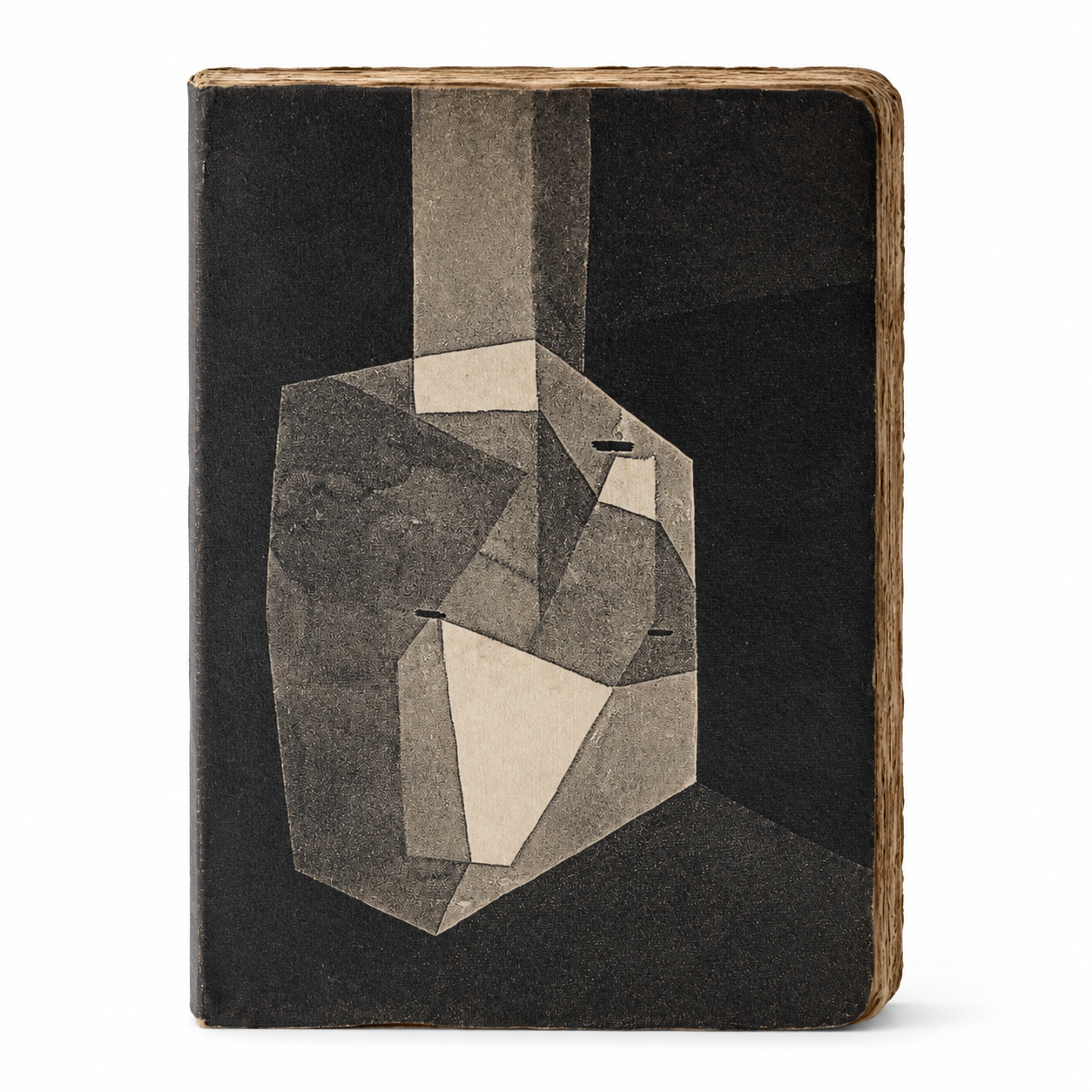
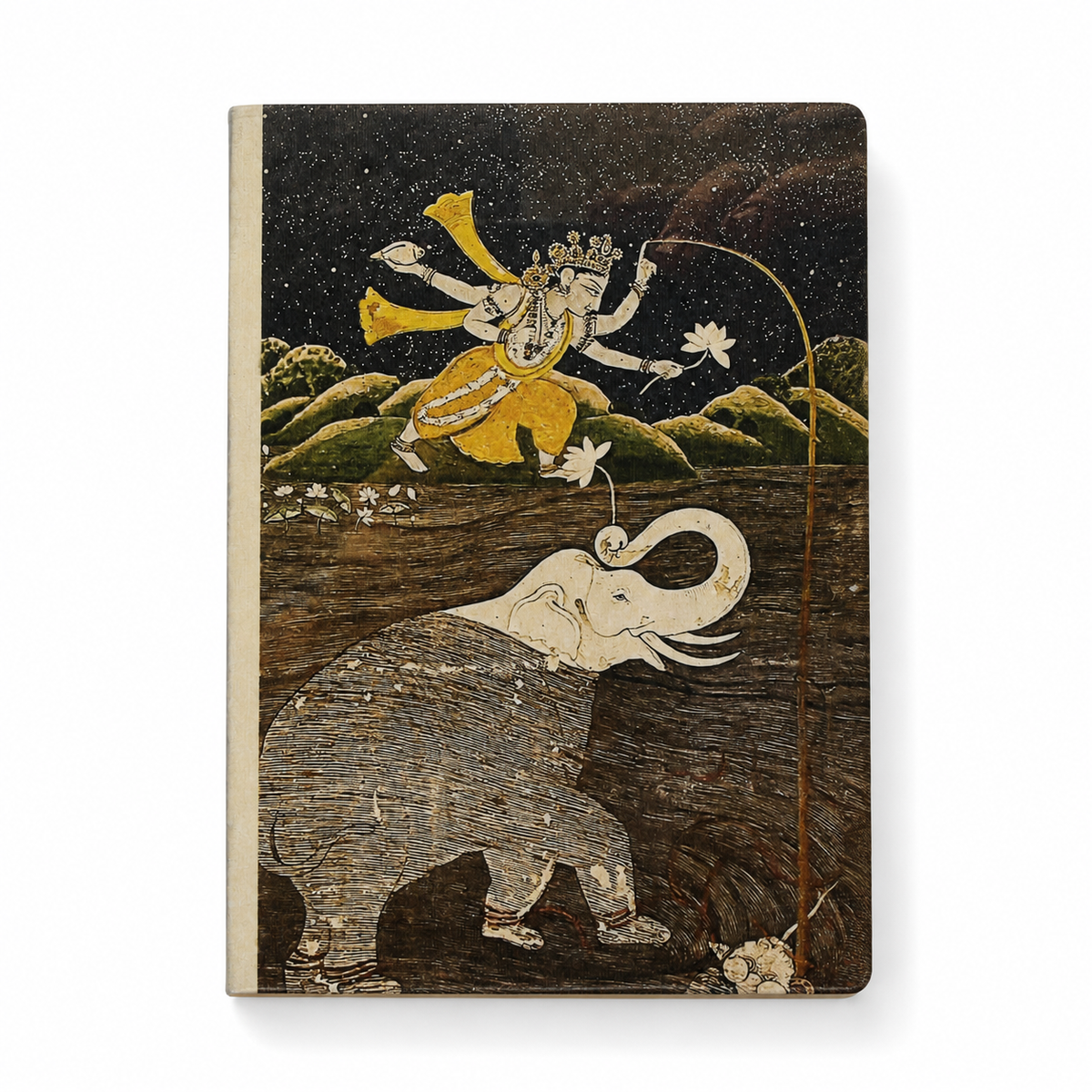
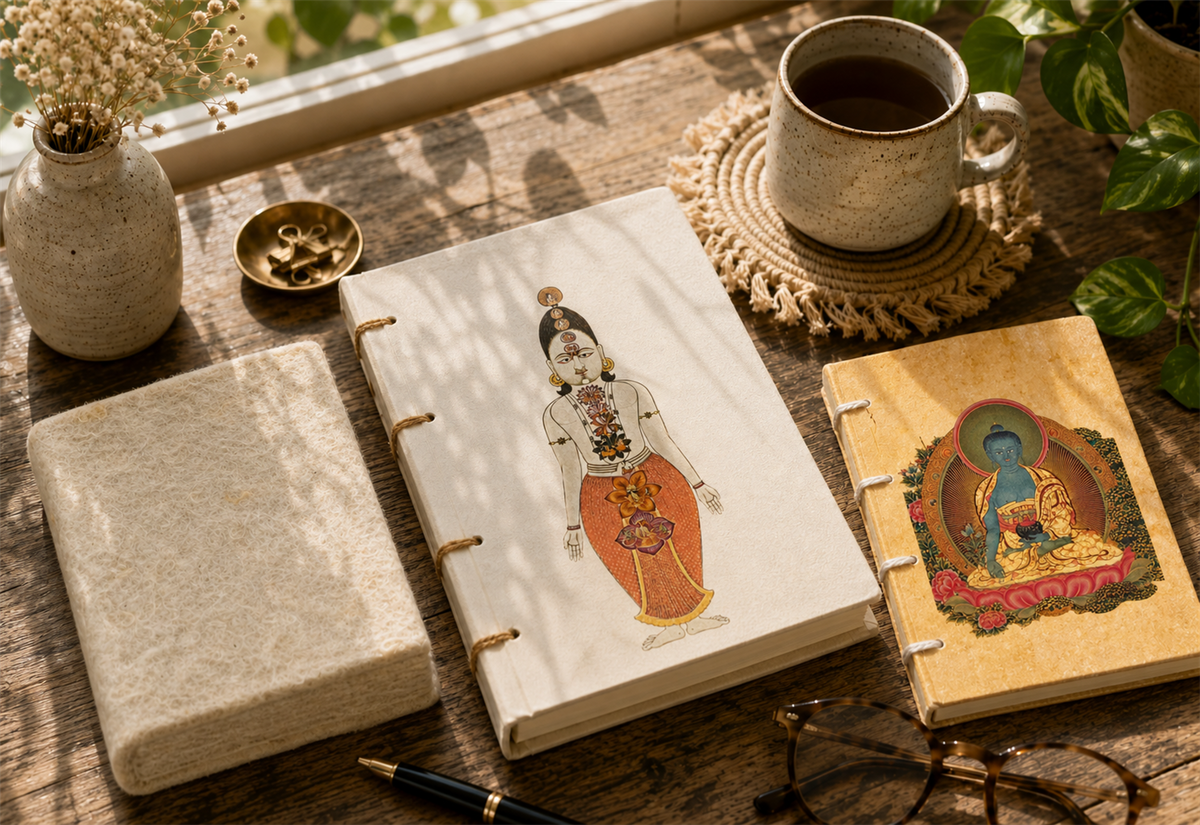
| Artwork Journals | Reflection, gratitude, memory keeping and letters |
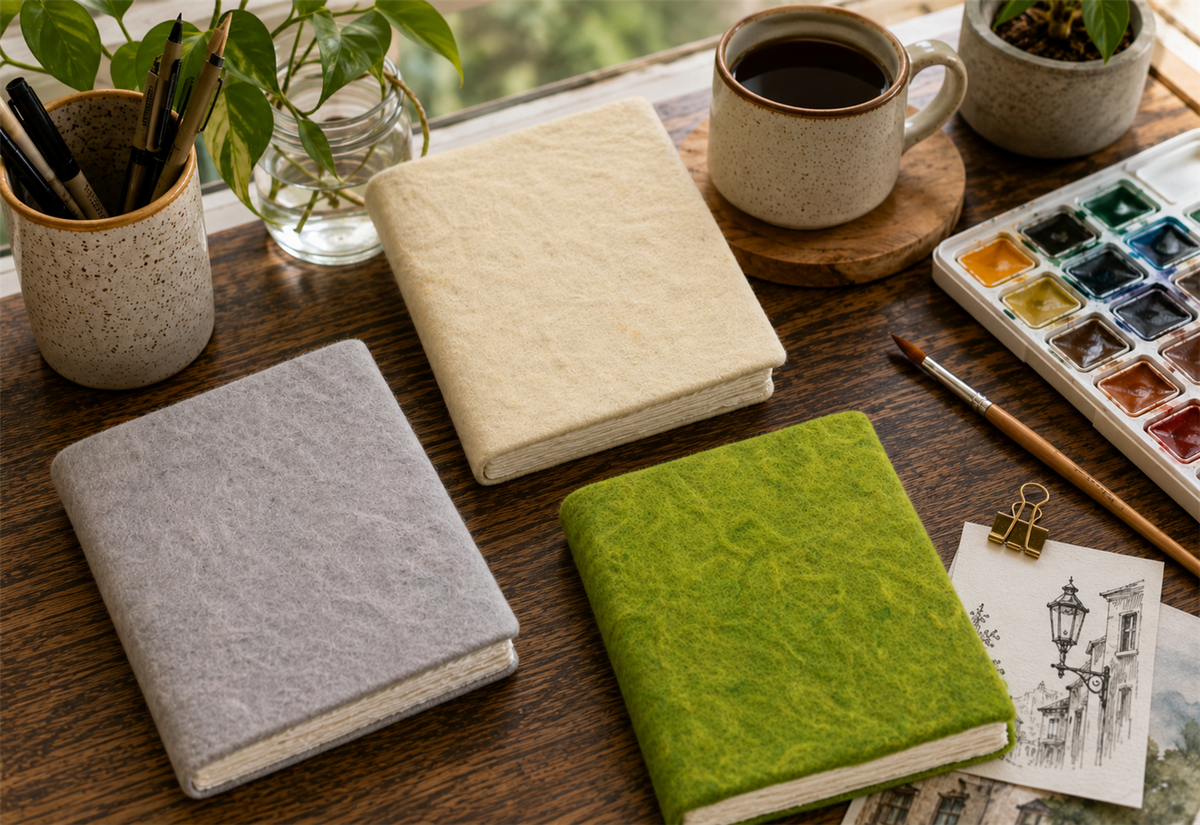
| Felt Journals | Personal rituals, deeper reflection and meaningful gift writing |
| Artwork Notebooks | Daily notes, ideas, lists and practical prompts |
| Felt Notebooks | Desk-based reflection, professional ideas and personal planning |
| Artwork Pocket Diary Sets | One-minute prompts, observations and travel notes |
| Felt Pocket Diaries | Small daily questions and portable reminders |
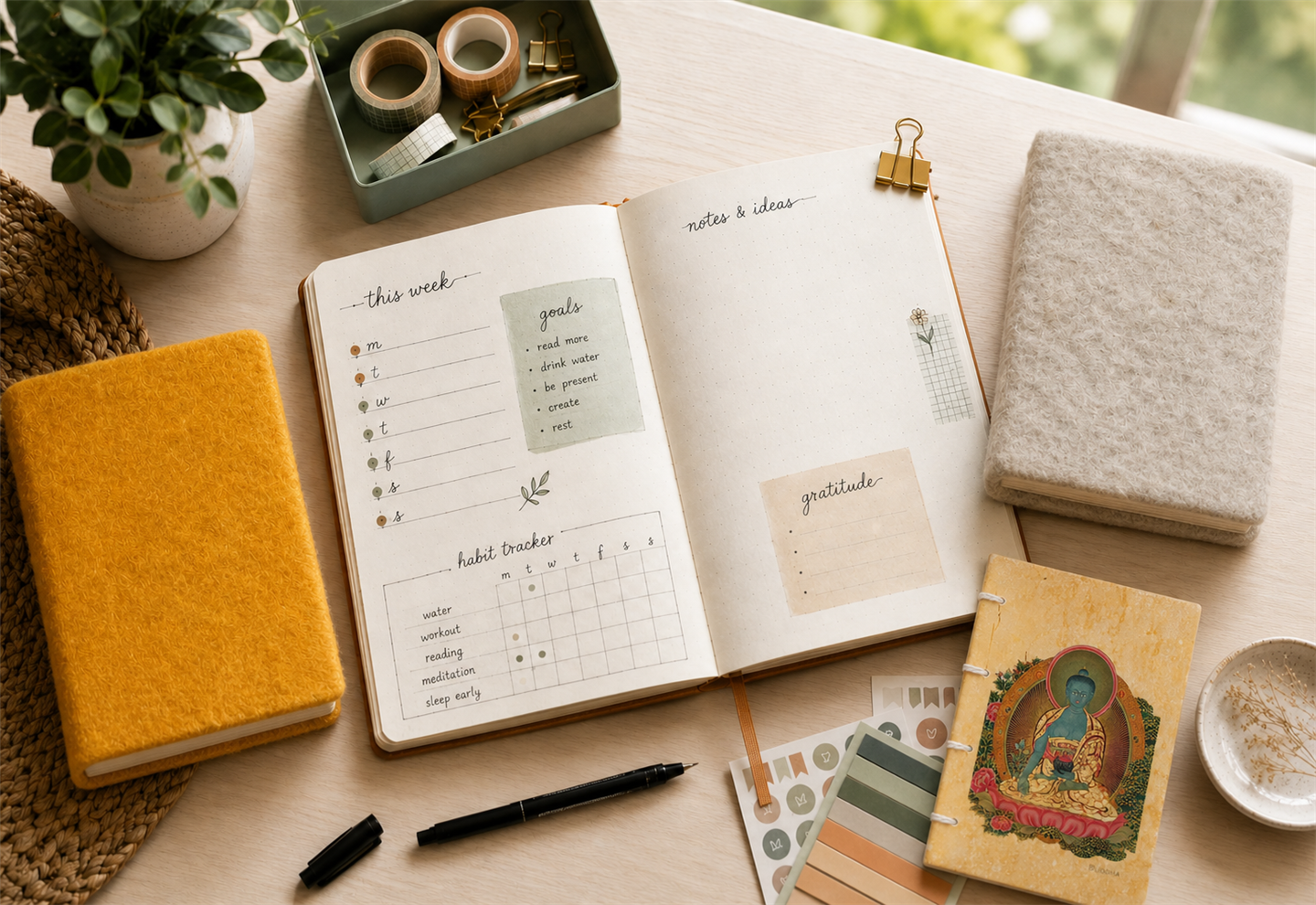
| Artwork Planners | Weekly review, goal-setting and intention prompts |
| Artwork Sketchbooks | Visual prompts, collage, drawings and creative writing |
| Felt Sketchbooks | Tactile creative prompts and gift-worthy visual journaling |
Prompt-to-Product Decision Framework
| You want to… | Best format |
|---|---|
| Reflect on feelings, memories or life changes | Journal |
| Capture short ideas while travelling or commuting | Pocket diary |
| Plan the week and review progress | Planner |
| Write lists, notes and everyday thoughts | Notebook |
| Draw, collage or work visually | Sketchbook |
| Give a meaningful writing gift | Artwork Journal or Felt Journal |
| Start a low-pressure journaling habit | Pocket diary or notebook |
| Create a deeper end-of-day ritual | Journal |
Journal Prompt Checklist
Before using a prompt, ask:
- Do I have one minute, five minutes or more?
- Do I need a light prompt or a deeper prompt?
- Do I want to reflect, create, plan or remember?
- Would a list feel easier than full sentences?
- Is there a prompt I should skip today?
- Do I want to write, draw or combine both?
- Will this entry stay in this journal, move to a planner or become an action?
- What is the smallest honest answer I can give?